Now taking calls — fast callback for urgent pest issues · (866) 829-2897
Quarterly Pest Protection in Georgetown, TX
Georgetown, TX

Four Seasonal Visits, One Maintained Barrier

Quarterly pest protection built around Georgetown's seasons, with a perimeter treatment each visit and a free callback between visits if activity returns

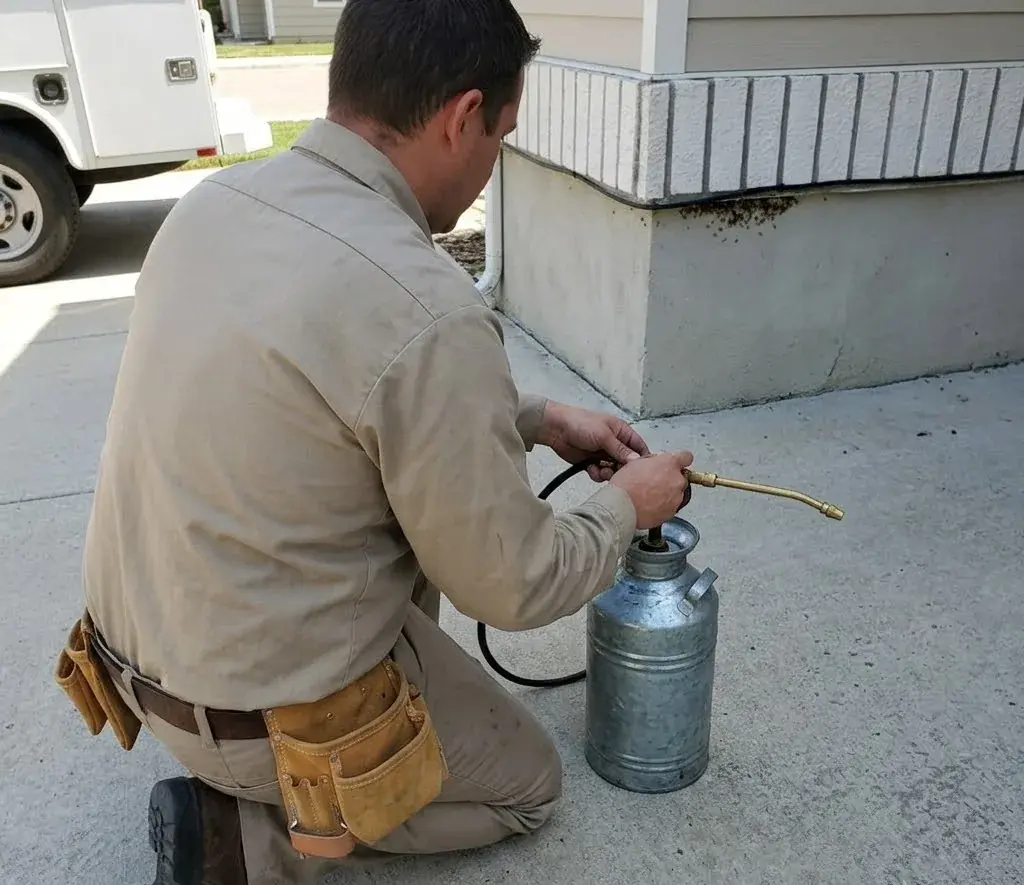
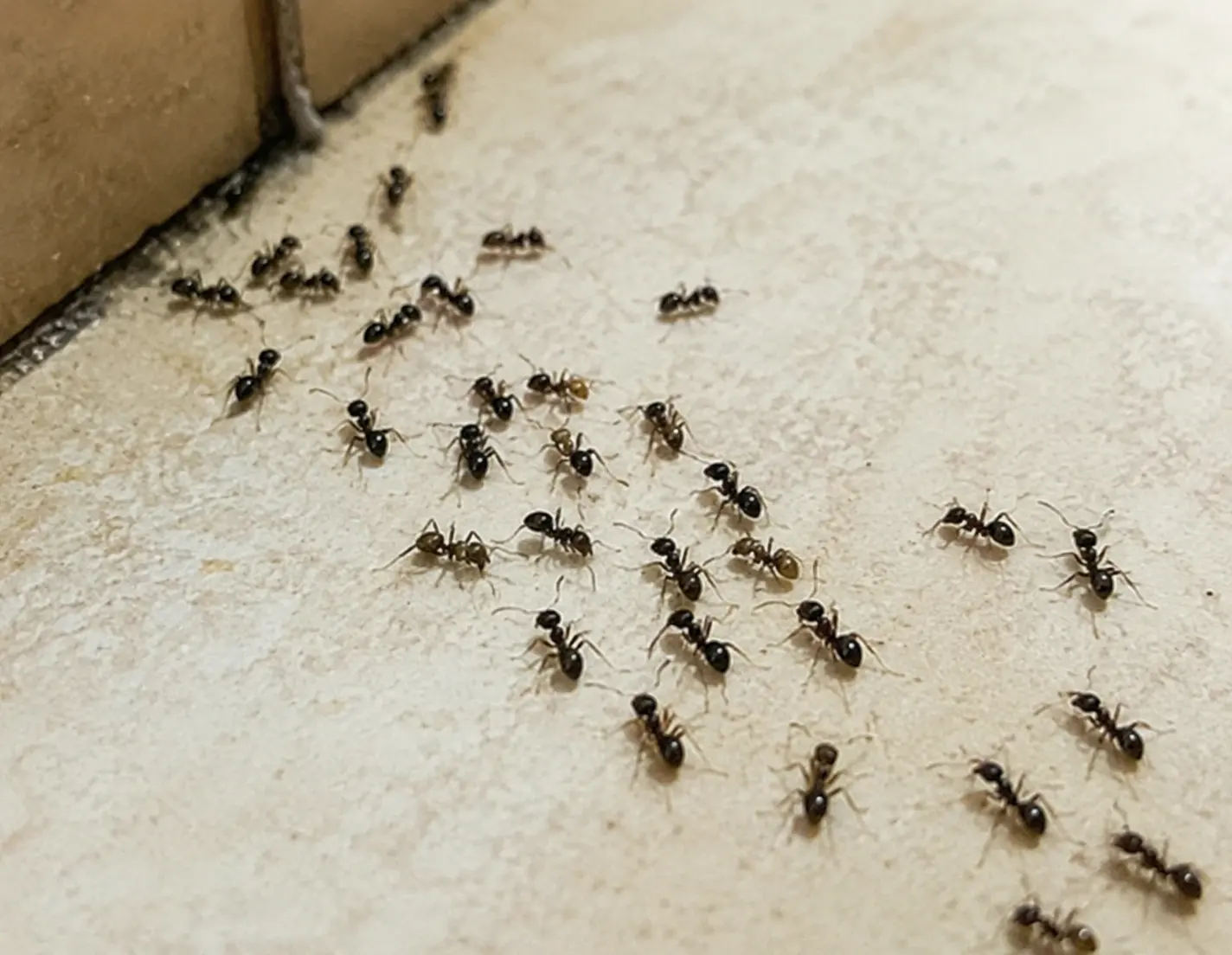
Georgetown's pest pressure moves with the calendar. Striped bark scorpions come out of the limestone west of I-35 as it warms in April, native subterranean termites swarm after the spring rains, and roaches and ants press toward the doors through the summer heat around Sun City and Wolf Ranch. A single treatment lands on one week of that year and leaves the rest uncovered. Quarterly pest protection is built around the swings instead: four visits a year, each timed to the season it falls in, so the perimeter is refreshed before the next wave of pests reaches it rather than after.

The idea behind a quarterly schedule is that the barrier around a Georgetown house does not last twelve months. Sun, sprinkler runoff and the hard summer rain off the Balcones Escarpment break the perimeter treatment down over a few months, and the pests never stop testing it. Four evenly spaced visits keep coverage current the year round, and the licensed pros we connect you with treat what the season is actually pushing at the house that quarter — scorpions in summer, rodents and overwintering insects as it cools. It is preventive work, meant to keep problems from starting, not a callback after they already have.

Quarterly Pest Protection in Georgetown, TX isn't one-size-fits-all, whether you're in Wolf Ranch, Old Town Georgetown, Round Rock, or elsewhere around Georgetown, we tailor the treatment to your property and the way striped bark scorpions behave here. That local focus is what separates a lasting fix from a temporary one.

Managing a business, rental, or multi-unit building? commercial pest control covers scheduled visits and inspection-ready paperwork, while residential pest control handles the same work for private homes.

Pests We Treat

  • Striped bark scorpions
  • Subterranean termites
  • Ants and fire ants
  • Roaches
  • Spiders
  • Rodents
  • Crickets
  • Occasional invaders
Warning Signs

Signs You May Need Quarterly Pest Protection

What Each Visit Covers

The spring visit lands when the ground is warming and the subterranean termites are swarming, most often between February and May in Central Texas. This is the quarter where the perimeter matters most, because ants, roaches and the first scorpions are all moving toward the foundation at once. On the limestone west of I-35 — the Cimarron Hills and Water Oak side — the visit reapplies the exterior barrier that winter weather has worn thin and clears the spider webs, wasp starts and nests that built up while the house was quiet through the cold months.

Why the Schedule Follows the Season

The summer visit is the scorpion quarter. Striped bark scorpions peak from June through August, and in Georgetown they head for moisture — bathrooms, laundry rooms, the cooler slab edges — slipping in through weep holes and gaps at ground level. Houses backing onto a greenbelt or sitting on new construction west of I-35 feel this worst. The visit reapplies coverage low around the perimeter and at the entry points scorpions favor, and treats the harborage in loose rock, cedar and leaf litter close to the wall where they wait out the daytime heat.

The Between-Visit Callback

The fall and winter visits shift toward what tries to get indoors as it cools. Rodents look for a way in, and overwintering insects gather on warm exterior walls before working through gaps around the house. These quarters lean on the perimeter and on closing the routes pests use rather than on heavy indoor treatment. Spacing the visits this way — following Georgetown's own seasons rather than four fixed dates — means the schedule always meets the pest that is actually active, instead of treating for summer scorpions in the middle of January.

How It Works

Our Quarterly Pest Protection Process

First Visit: Setting the Georgetown Perimeter

The first visit sets the baseline for the year. The licensed pros we connect you with check where pests are getting in around your Georgetown home, treat the perimeter, and knock down anything already active. On the limestone west of I-35 that means the weep holes, slab cracks and rock close to the foundation. What they find sets the schedule and the timing of the next three seasonal visits.

Each Georgetown Visit, Season by Season

Each scheduled visit re-treats the perimeter and the known entry points, then adjusts for the season in front of it. A spring stop reads differently from a fall one: the target pest changes, the weather has moved the barrier, and the interior needs more or less attention. The schedule bends to the pest year across Williamson County rather than repeating the same treatment four times.

Free Callbacks Between Georgetown Visits

The between-visit callback runs on demand. If pests show up before the next quarter is due, a return trip is included, and it treats the point of entry as well as the room where they appeared. This is what separates a real quarterly plan from four disconnected sprays: the coverage holds across the whole quarter, not just the day of the visit.

A Full Year of Georgetown Coverage

Over a full year the four visits build on each other. Spring gets ahead of swarm and scorpion season, summer holds the line through the worst of it, fall turns to sealing the shell, and winter keeps the barrier alive through the slow months. The record from each stop carries to the next, so a lot near Berry Springs Park is treated for what it did last July, not for an average.

Why this matters

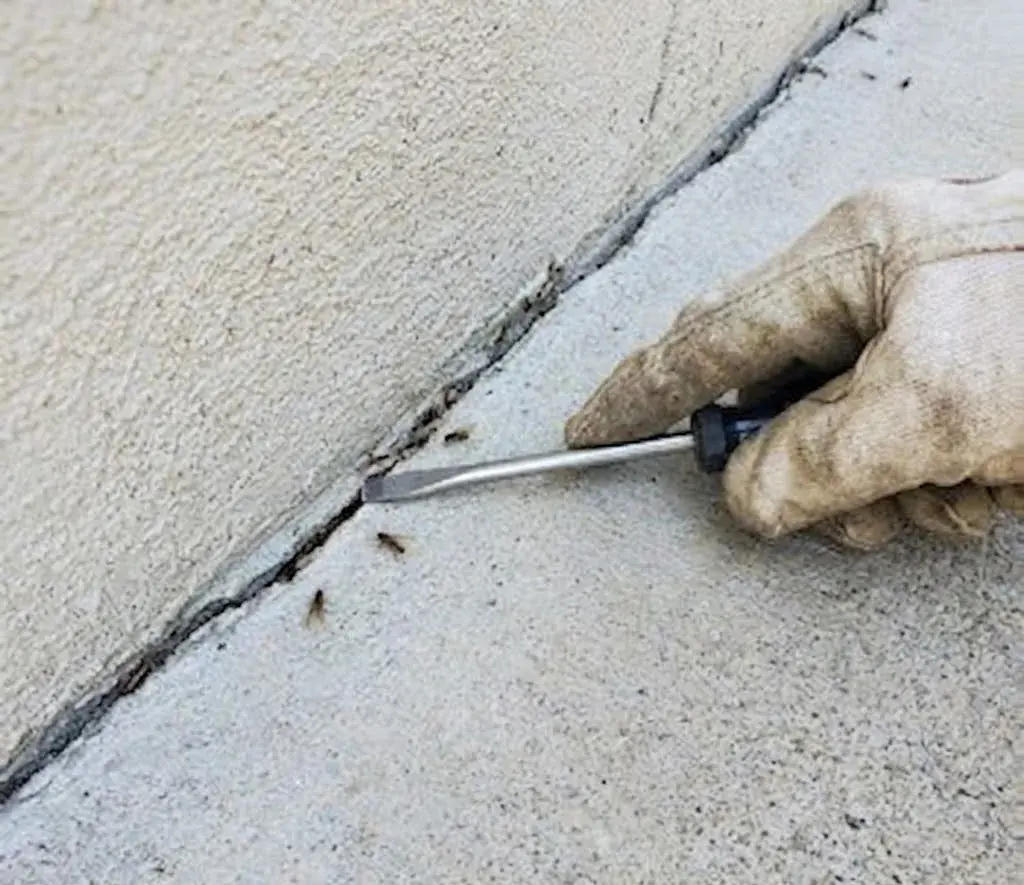
Almost every house in Georgetown is built on a slab, from Wolf Ranch and Teravista to Sun City, with no basement or crawl space underneath. That means the only line between the pests in the ground and the living space is the slab edge and the perimeter around it — the exact thing a quarterly visit refreshes. On slab construction the weep holes, expansion joints and door thresholds are the way in, and they sit at ground level where scorpions and ants travel. A schedule that reapplies that perimeter four times a year is protecting the one gap the building leaves open.

Licensing & Local Standards

Code-Compliant Quarterly Pest Protection in Texas

The Local Pest Year in Outline

A quarterly plan on the Edwards limestone west of I-35 is not the same job as one on the Blackland Prairie clay to the east. The karst ground under Sun City, Berry Creek and the DB Wood Road side is full of fractures that carry water and pests sideways, and scorpions live in it, so the perimeter work is heavier and set lower on the west side. The visit is built around where the house actually sits, not a single routine applied the same way across every neighborhood in Georgetown.

Both Sides of I-35

The between-visit callback is the part that makes a quarterly schedule hold up in Georgetown. Pests do not read the calendar, and something can break through the perimeter in the weeks between two visits. Coverage on a quarterly plan includes a return at no extra charge when that happens, so a scorpion in the laundry room in July or ants in a Teravista kitchen in September gets handled without waiting for the next scheduled visit. That reapply between quarters is what keeps the barrier from being only as good as its last treatment date.

What Drives Cost

What Sets Pest Control Prices Here

Bat colonies come with their own cost logic. Removing bats from inside a house is one job; excluding a colony from a roofline is another, and it cannot happen from roughly May through mid-August while pups are unable to fly. A homeowner near Lake Georgetown or Old Town who calls in June about bats in a soffit should expect a wait for the exclusion, not a same-week price.

Your Real Cost Depends on the Job
Free InspectionLicensed ProsSame-Day Calls
Spot Treatment Georgetown scorpion, fire ant and roof rat control from licensed local pros an estimated $75–$145
Quarterly Service Striped bark scorpion control for Georgetown homes near limestone, greenbelts and new construction an estimated $90–$210
Bi-Monthly Service Roof rats, scorpions and fire ants around Sun City and Old Town Georgetown foundations an estimated $135–$335
Monthly Service Roof rat entry points around Sun City and Berry Creek attics, soffits and roof lines an estimated $215–$555

A price that sounds low for the Georgetown area is worth a second question, not an immediate yes. Ask what's included — follow-up visits, attic or exclusion work, the difference between a mound treatment and a full yard treatment — because two quotes for what sounds like the same job, one from a company working out of Williamson County and one from further down I-35, can cover genuinely different amounts of work under the same price.

Questions & Answers

Frequently Asked Questions

How often does someone actually come out during the year?

Quarterly protection means one visit roughly every three months, timed to the local pest year rather than a fixed calendar date. The spring visit sits ahead of subterranean termite swarm season, summer visits cover peak striped bark scorpion activity when they climb through weep holes and doors, and treatment reapplies perimeter coverage as it breaks down. If something turns up between visits, Georgetown homeowners get a callback rather than waiting for the next scheduled date.

What happens if bugs show up between the scheduled visits?

That is what the between-visit callback covers. On a quarterly plan you can ask for a return between scheduled visits at no extra charge, because the pest that got through the perimeter in the weeks after a treatment is exactly the case the schedule is built to catch. A scorpion turning up in a Sun City bathroom in August, or ants in the kitchen a month after a visit, gets a reapply without waiting for the next quarter. The callback is part of the coverage, not something billed on top of it.

Why four visits instead of one big treatment?

The season, as far as the schedule allows. The licensed pros we connect you with time the visits to the Central Texas pest year rather than to four fixed dates, so the summer visit lands in scorpion season and the cool-weather visits meet the rodents and insects trying to get indoors. Georgetown's year runs on its own clock — termites swarm after the spring rains, scorpions peak June through August — and a plan that ignores that ends up treating for the wrong pest. Roughly quarterly spacing, adjusted to what is active.

Does the plan follow the calendar or the seasons?

The between-visit callback is included at no extra charge. If scorpions show up in a Sun City bathroom or ants come back along a Berry Creek counter a few weeks after a treatment, the licensed pros we connect you with return and re-treat that spot without waiting for the next quarter. Georgetown pressure does not hold off on schedule, and a fresh barrier can be cut short by heavy rain off the San Gabriel River or by construction on the lot next door. The callback covers that gap so a flare-up still gets handled.

Will the quarterly plan handle a termite or bed bug problem too?

A quarterly visit is mostly exterior and preventive. The perimeter around the foundation is the core of it — reapplying the barrier the last quarter's weather wore down, clearing webs and nests off the outside, and treating the entry points at ground level. Inside work is done where it is needed rather than as a routine flood of the house. The difference from a one-off service is the schedule: a single treatment protects the week it is done, while quarterly coverage keeps the barrier renewed through the whole Georgetown pest year, from the spring termite swarms to summer scorpions to the cool-weather rodents.

What happens if scorpions come back between my scheduled visits?

Yes. There is no season you have to wait for — the quarterly schedule picks up from whenever the first visit happens and spaces the rest across the year. Starting in spring lines the first visit up with termite swarm season; starting in early summer puts it right before scorpions peak in Georgetown. Wherever it begins, the plan settles into roughly quarterly visits, and the between-visit callback covers you from the first treatment on. Homes in Wolf Ranch, Old Town and out toward Liberty Hill all run on the same four-visit rhythm once it is going.

How much does quarterly pest protection cost in Georgetown?

Fire ants are the complaint we hear most between Sun City and Cimarron Hills. A lawn can look clean one week and carry a dozen mounds the next, since the colonies build fast after rain moves through the caliche and limestone west of I-35. In a stretch without rain, some of those same colonies push indoors through a crack in the slab, so a dry summer is not a break from the problem, just a change in where it shows up.

Local Conditions

Where Scorpions Come From West of I-35

Why fire ant mounds show up across Georgetown lawns a day or two after rain

Common Household Pests in Georgetown, TX: A Homeowner's Guide
Local Pests

Common Household Pests in Georgetown, TX: A Homeowner's Guide

A homeowner's guide to the pests actually common in Georgetown, from ant trails and roof rats to the fall cricket swarm and what the limestone west of I-35 means for termites.

Read article
How to Choose Pest Control in Georgetown, TX
Hiring Guide

How to Choose Pest Control in Georgetown, TX

Georgetown has plenty of pest control companies but not all carry a current TPCL number, real insurance, or a written scope. Here is what to check before you sign anything, and the questions that separate a licensed operator from someone working out of a truck.

Read article
Why Carpenter Ants Turn Up in Georgetown, TX Homes
Local Pest Biology

Why Carpenter Ants Turn Up in Georgetown, TX Homes

Carpenter ants in Georgetown don't nest in sound wood. They nest in wood that's already wet, and this town has plenty of reasons for wood to stay wet longer than it should.

Read article
Get Started Today

Ready To Book A Visit

Whether it is a single scorpion sighting in Berry Creek or a rat that has been in the attic all summer near Wolf Ranch, the next step is the same: call and describe it. The licensed pros we connect you with will take it from there.

Call (866) 829-2897
Free inspections & same-day service available
Call (866) 829-2897 Schedule Online