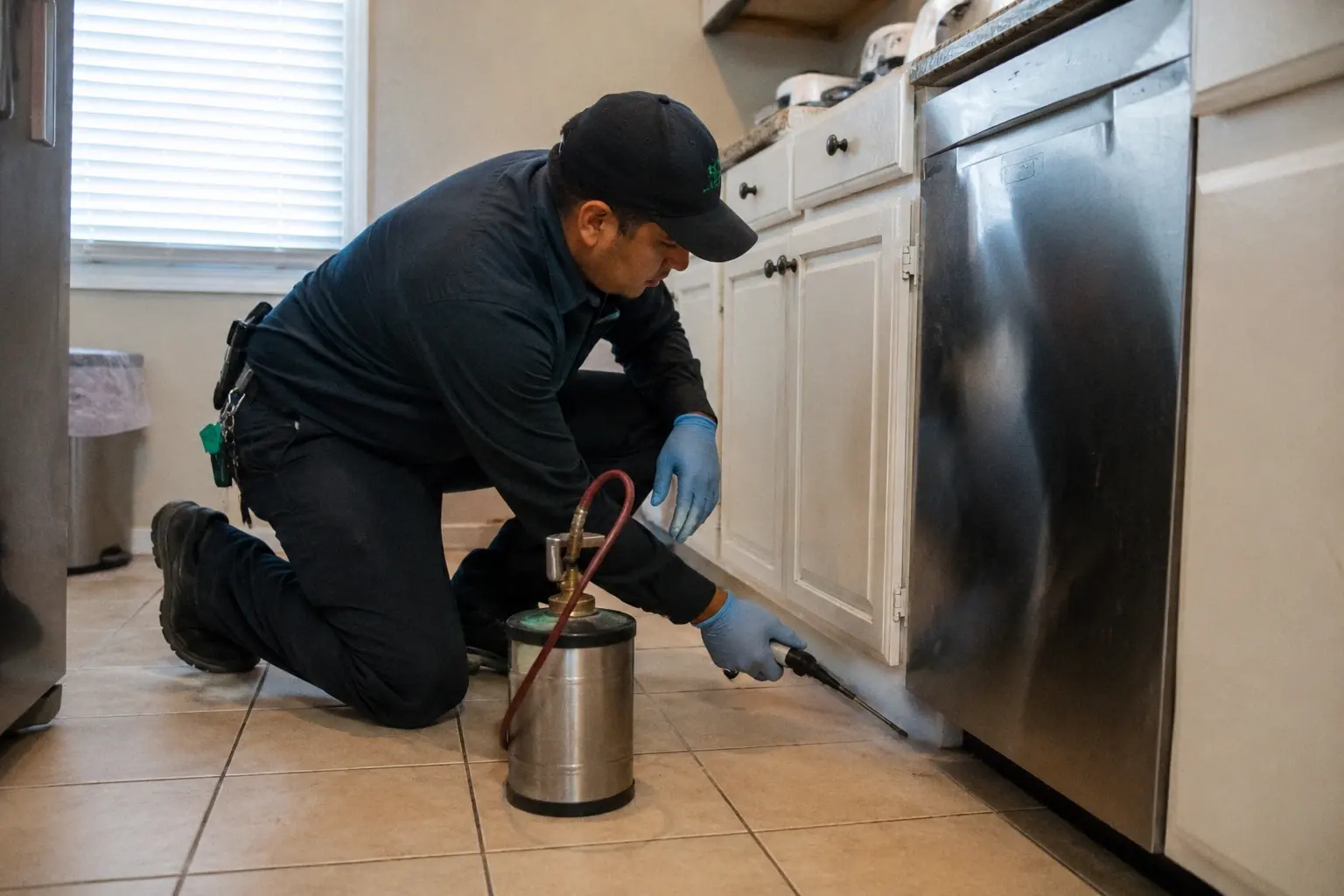
General Pest Control
General pest control in Georgetown covering ants, roaches, spiders and silverfish with interior and exterior treatment
Learn about General Pest Control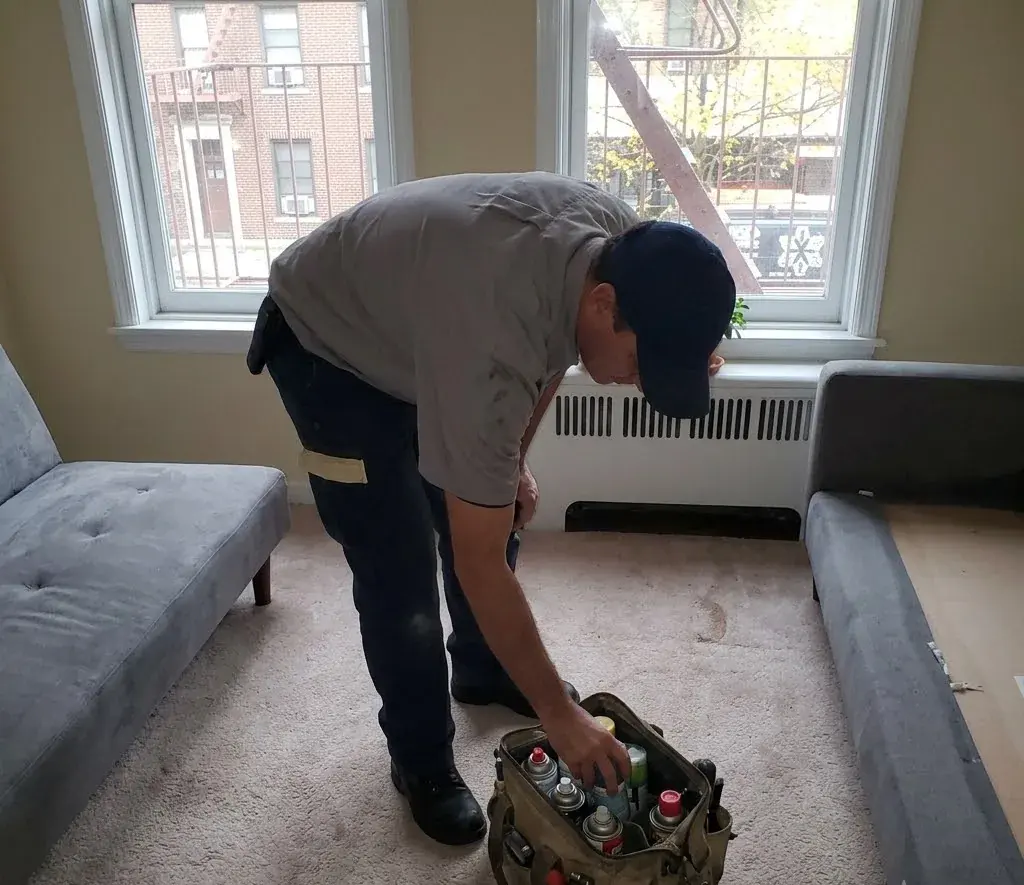
Georgetown's housing runs from Old Town's older lots near the Square to subdivisions still going up out toward Wolf Ranch and Teravista. What a home needs depends heavily on which of those it is. A pier-and-beam place near the Square has gaps and a low void that a 2020s slab house in Water Oak simply doesn't have, and the two attract different problems for different reasons.
Most of the newer stock sits on a poured slab with no void underneath to inspect, which shifts the real work upward rather than down low. Roof rats reach a house over the fence line or a tree limb touching the roofline, not through the foundation, so the attic, the soffits and the gable vents matter more than anything at ground level. A slab still cracks as it settles, and that crack is exactly wide enough for a scorpion.
Scorpions are the call that brings people to this page. The striped bark scorpion turns up in bathrooms and laundry rooms because it follows moisture, and it can flatten itself thin enough to pass under a door or through a weep hole. Houses on the limestone side of town, around Sun City, Cimarron Hills or Water Oak, see it more, along with anywhere newly built or backed up to uncleared brush.
Older Georgetown homes carry their own risks the newer subdivisions don't. Pier-and-beam stock around Old Town and toward Weir and Walburg opens gaps a slab house never has, and older wiring or plumbing runs give roof rats a second way in besides the attic. The licensed pros we connect you with treat that stock differently than a 2020s build off Ronald Reagan Boulevard, checking sub-floor access points a slab inspection would skip entirely.
General pest control in Georgetown covering ants, roaches, spiders and silverfish with interior and exterior treatment
Learn about General Pest Control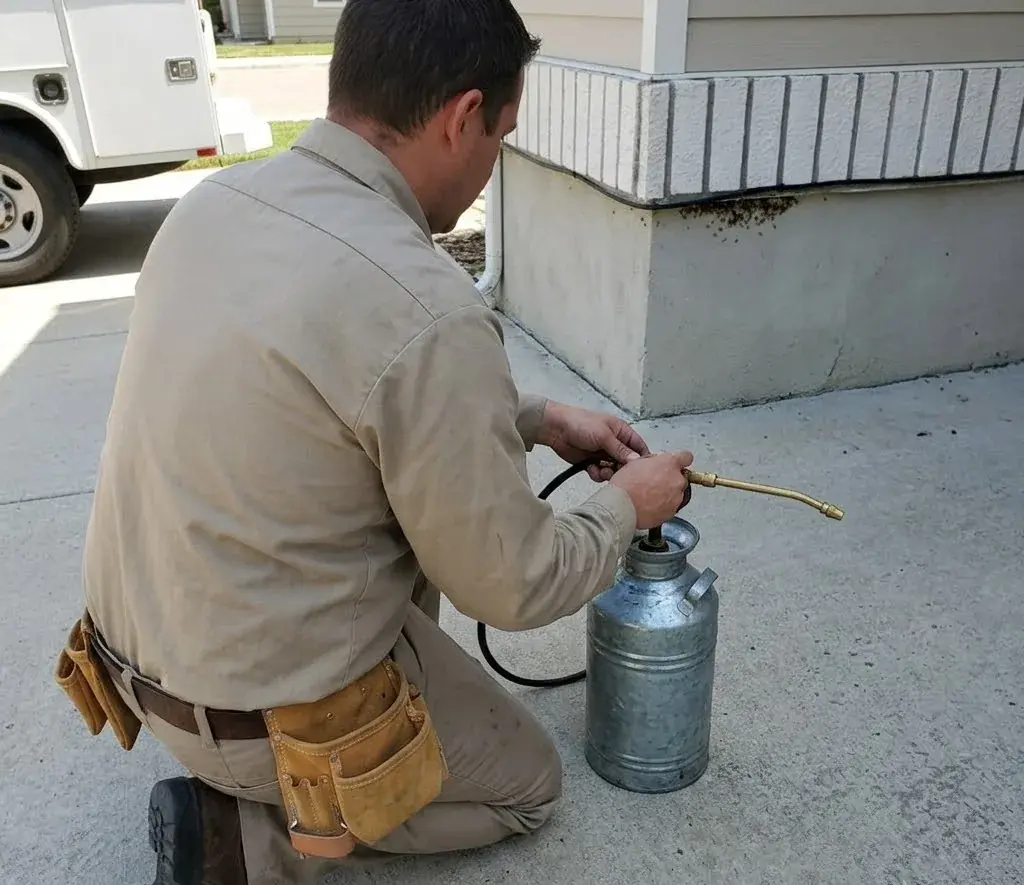
Quarterly pest protection built around Georgetown's seasons, with a perimeter treatment each visit and a free callback between…
Learn about Quarterly Pest Protection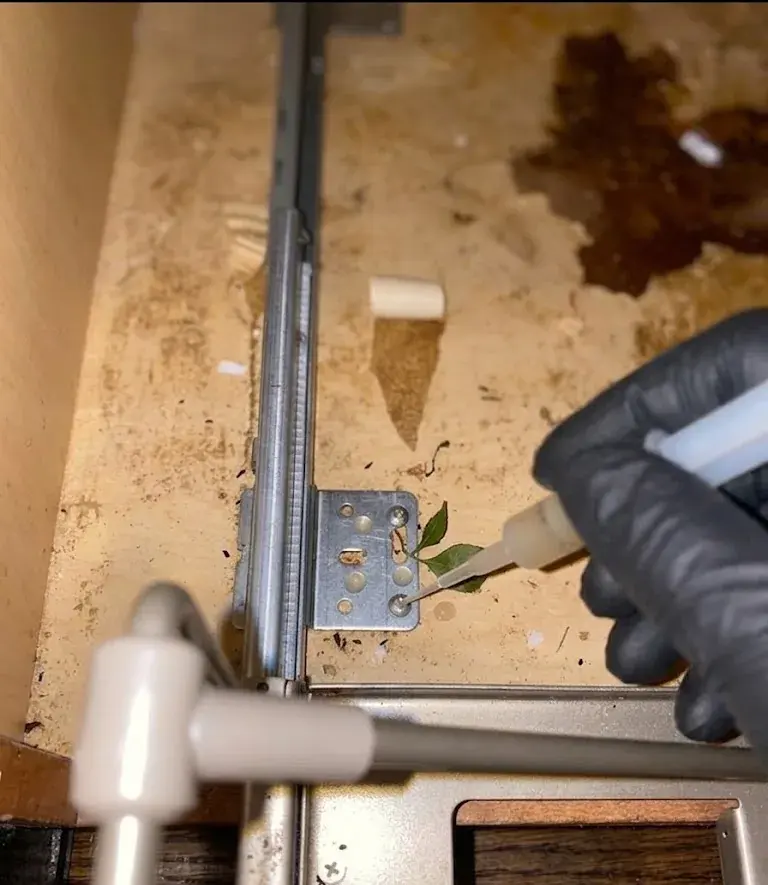
One-time pest treatment for a single problem in Georgetown, honest about what one visit fixes and what needs a follow-up
Learn about One-Time Pest Treatment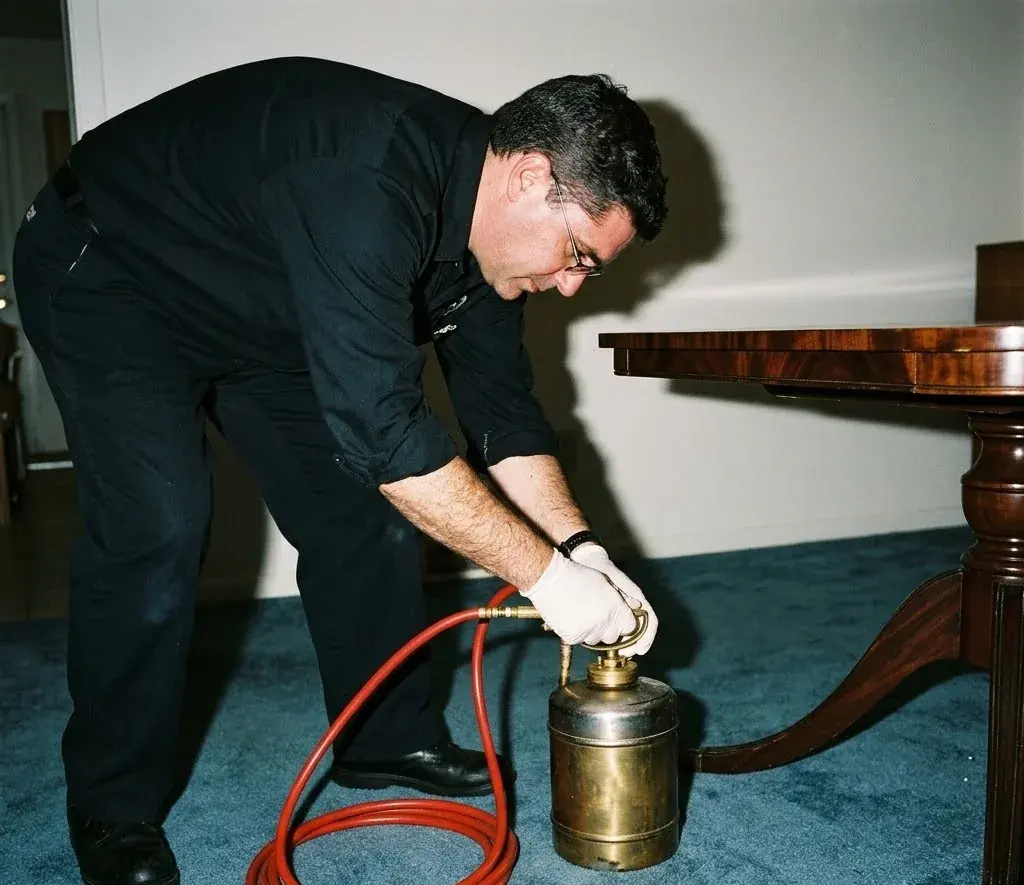
Eco-friendly pest control in Georgetown using bait, gel, and exclusion first, targeted treatment over broadcast spraying, honest…
Learn about Eco-Friendly Pest Control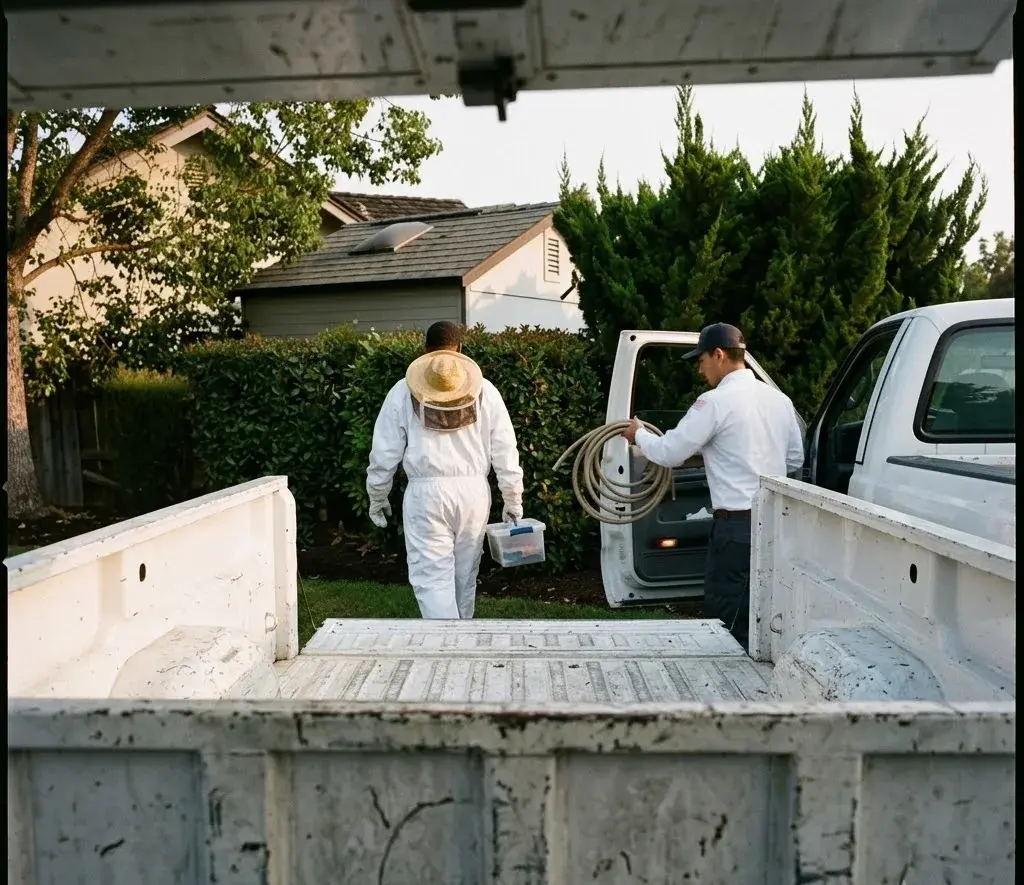
Barrier treatment for the yard, larvicide for the standing water, and a plan built around Georgetown's actual mosquito and tick…
Learn about Mosquito & Tick Control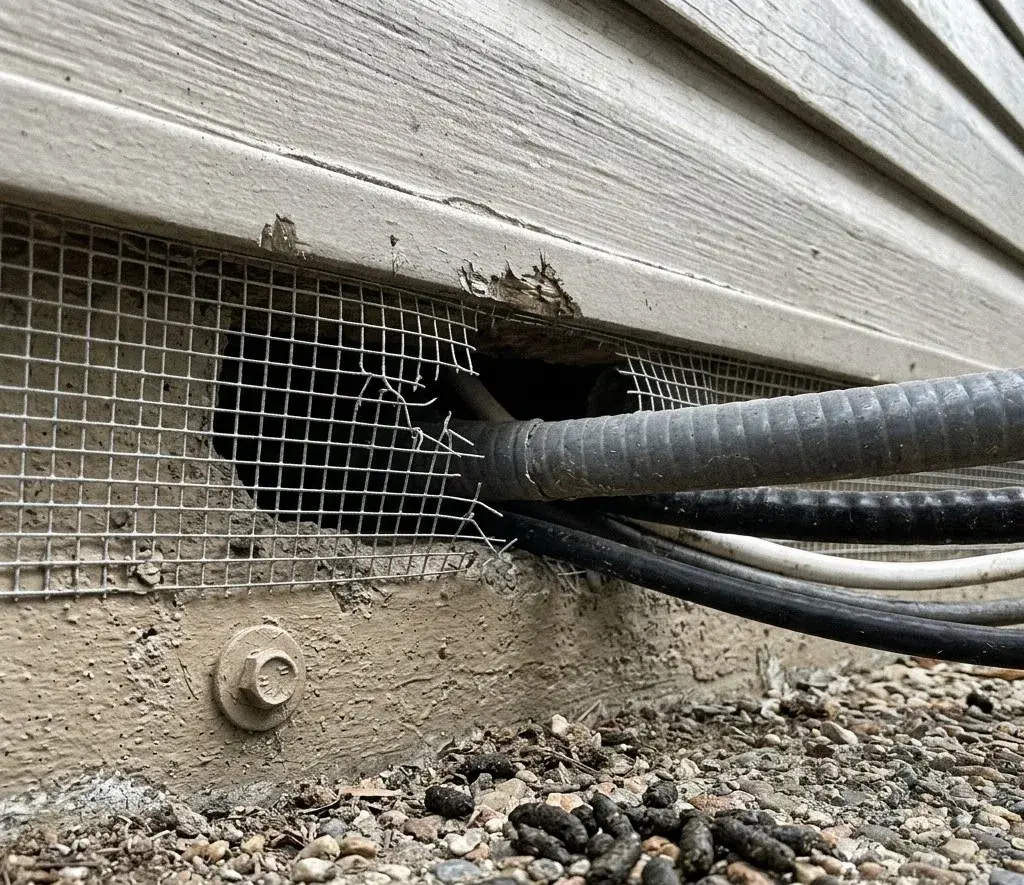
Rodent exclusion in Georgetown: sealing entry points, gaps and vents against roof rats and mice for good
Learn about Rodent Exclusion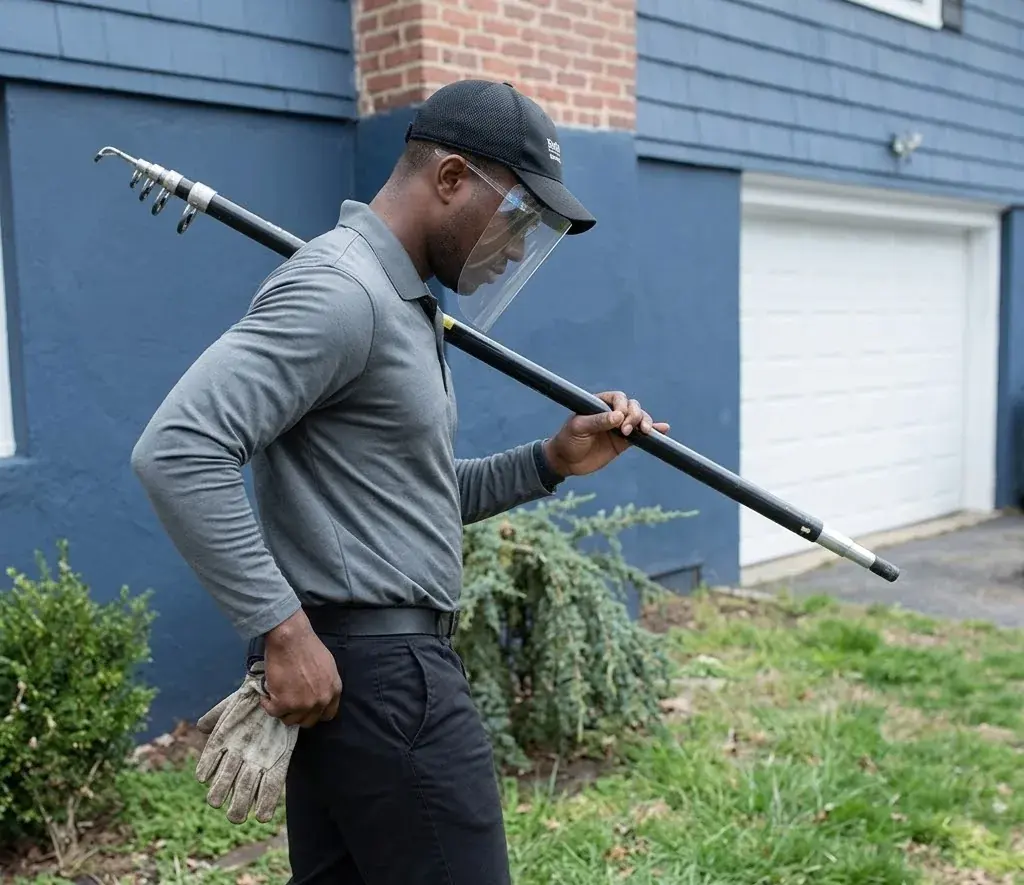
Humane wildlife removal in Georgetown for raccoons, opossums, squirrels, bats and snakes, with exclusion and entry point repair…
Learn about Wildlife Removal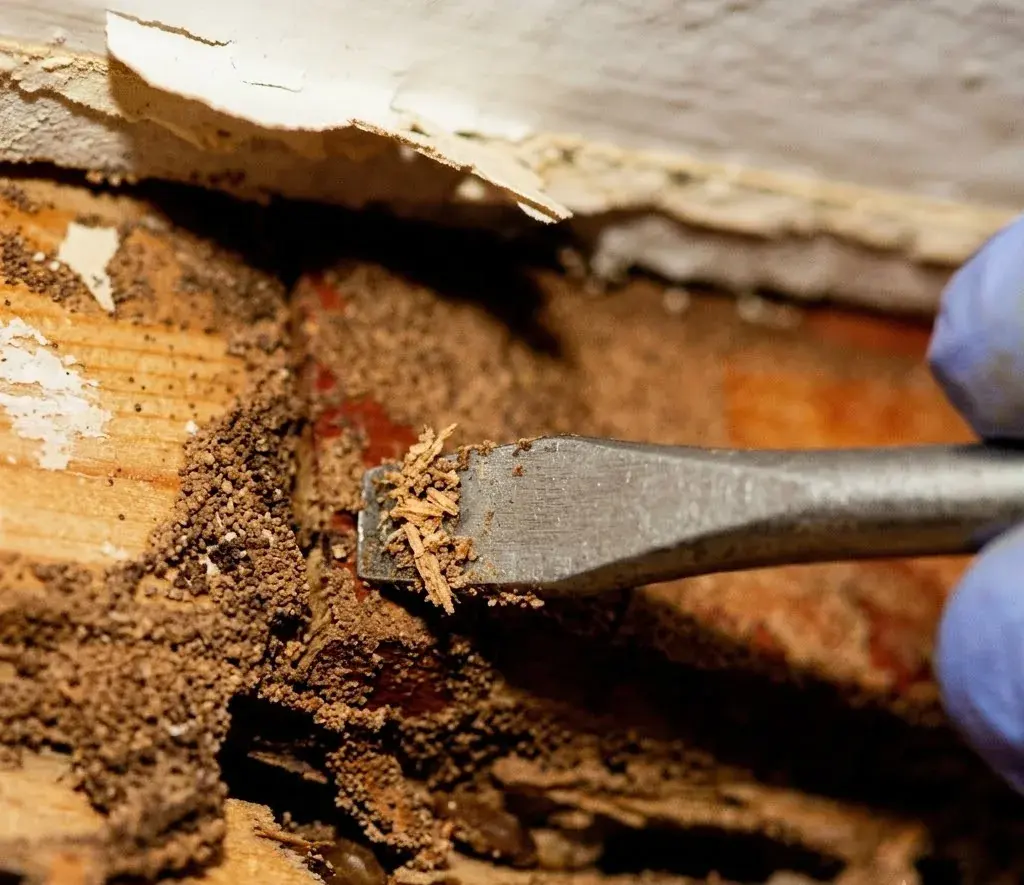
A straightforward look at what a routine termite inspection actually checks on a Georgetown home, and what the evidence means…
Learn about Termite Inspection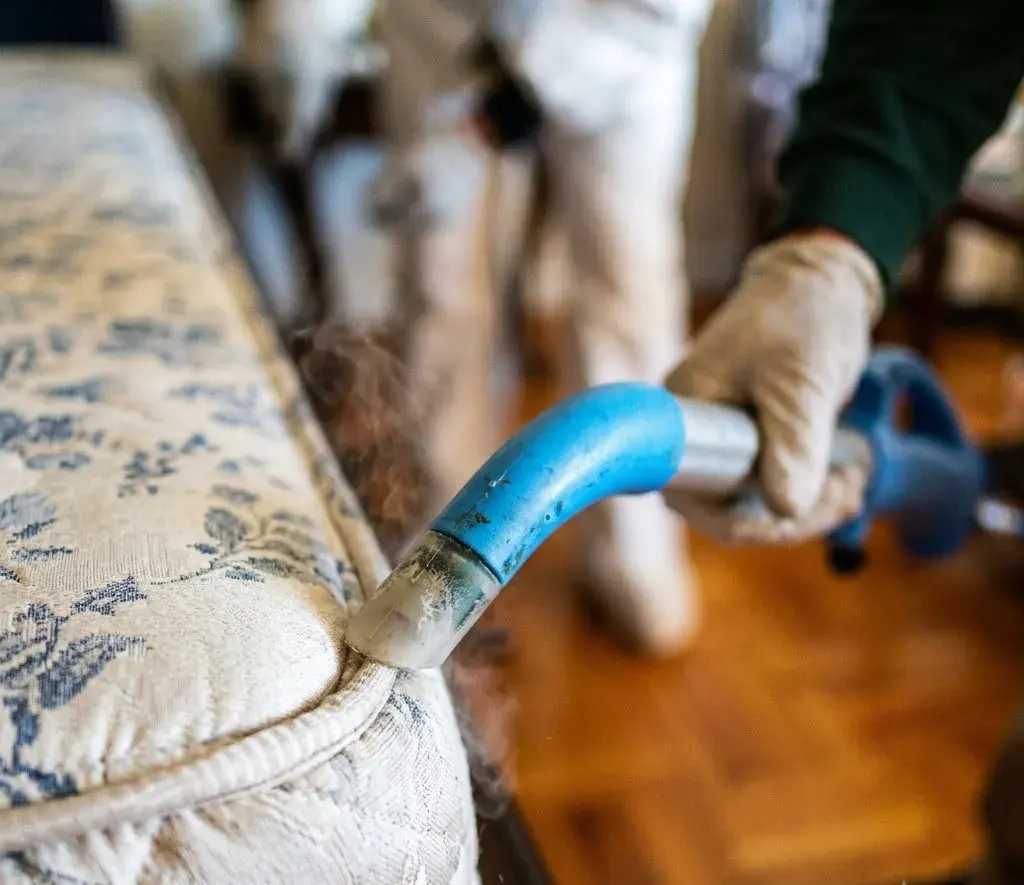
Confirmed by inspection, not guesswork. Heat or chemical treatment matched to your house, with the follow-up and prep…
Learn about Bed Bug TreatmentYes, and homeowners here ask mostly about three things. Striped bark scorpions climb through weep holes and under doors, worst from June through August, and show up most on the west side near Sun City and Cimarron Hills where the limestone runs close to the surface. Roof rats enter overhead along fence lines and tree limbs, not through the slab, so an inspection should start at the attic and eaves. Fire ant mounds can appear across a lawn within a day or two of rain. The licensed pros we connect you with can look at your specific property near Wolf Ranch, Teravista, or Old Town and tell you what's actually active.
The striped bark scorpion is the one homeowners around Sun City and Water Oak call about, and a sting hurts like a bad bee sting but is not dangerous to a healthy adult. Small children, older adults and anyone with an allergic reaction are the exception, and a sting on one of them is worth a call to a doctor. The pros we connect you with focus on sealing gaps low on the house rather than spraying every baseboard, since that is what actually keeps them from getting inside in the first place.
Mexican free-tailed bats are the local species, and Texas law protects them: you can't hunt, sell, or possess one under Parks and Wildlife Code section 63.101. A bat that's gotten inside your living space can be removed. A colony in the attic is different — exclusion work is discouraged from about May 1 to August 15, when pups can't fly yet and would be sealed in. Poison, mothballs, or disinfectants aimed at bats are a federal violation. The licensed pros we connect you with can inspect the roofline, confirm what you actually have, and time the work correctly rather than guessing.
Georgetown pest activity tracks the calendar closely. Fire ant mounds show up across lawns a day or two after rain, and colonies push indoors through slab cracks once the ground dries out in summer. Striped bark scorpions peak April through October, worst in June to August, and they turn up most on the west side near Sun City and Cimarron Hills where the limestone and cedar cover suit them. Roof rats move into attics along fence lines and tree limbs year-round. Field crickets swarm porch lights and storefronts along Austin Avenue and Williams Drive in late summer into fall. Winter is the quiet stretch here.
Fire ants and scorpions ask different questions. A mound near Garey Park or along San Gabriel Park's trails is a lawn problem until a dry spell pushes the colony toward a slab crack, and then it's an indoor one. Striped bark scorpions work the other way: they're already interested in bathrooms and laundry rooms near Sun City and Cimarron Hills because that's where the moisture is, especially April through October. Different pests, different entry logic, which is why one spray plan rarely covers both.
A scorpion under the kitchen sink and roof rats in the attic call for a different approach than a break room in an office park. See how home service in Georgetown neighborhoods like Sun City or Berry Creek typically runs, and what the licensed pros we connect you with look for first.
Call (866) 829-2897