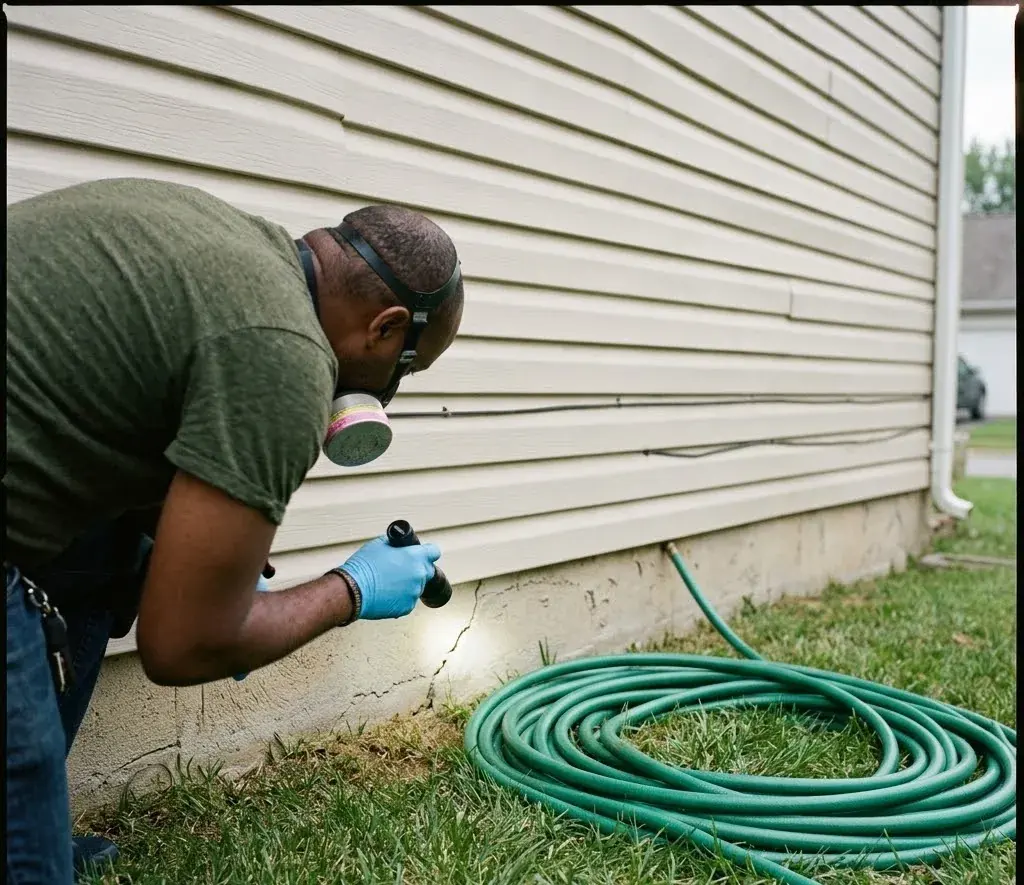
Yard & Lawn Pest Control
Perimeter and turf pest control for Georgetown yards, covering fire ant mounds, grubs, fleas, ticks, and the barrier that keeps…
Learn about Yard & Lawn Pest ControlBigger lots, older trees and slab foundations that have had decades to develop the small cracks and moisture points that fire ants and native subterranean termites both use to get from the yard into the house.
The homes here are older than most of Georgetown's growth, and older means more settling, more hairline cracks at the slab edge, and more mature trees dropping limbs and leaf litter along the fence line. Big lots give a fire ant colony room to mound in the yard for weeks before anyone notices, and the same lot size means a longer perimeter to inspect when checking a foundation for the mud tubes eastern subterranean termites build after a rain.
Rock underfoot, roof-level rat entry, and scorpions moving toward bathrooms all shape how the licensed pros we connect you with treat a house here.
Williamson County changes ground halfway across, limestone on the west side and deep Blackland clay on the east. Whichever side Serenada sits on decides the job: rock holds voids that something can live in and move through, while clay opens a crack beside a slab every dry summer and closes it again after rain.
North San Gabriel River sets the pattern in Serenada. Rain arrives in bursts rather than steadily, so the ground goes from cracked to saturated and back inside a week. Fire ants shift their mounds after each one, and anything that was sitting out a dry spell underground comes up, which is why the calls cluster in the days after a storm.
Central Texas swings between hard rain and real drought, sometimes within the same season, and Serenada's older lots with their bigger trees and more established root systems feel that swing differently than a bare new subdivision. Dry ground pulls moisture-seeking pests toward any source of it, including the water that collects near a foundation after irrigation or a storm off the lake. Fall brings the field cricket swarm, piling up wherever lights burn after dark, and one porch light left on in Serenada will collect more of them than anything else on the property.
Commercial standards apply to a lot of the work near Serenada: defined treatment zones, product records, and a report a property manager can file without a covering note. With Round Rock commuter base close by, that side of the job comes up as often as the treatment does.
Cost varies by pest, property size, and whether it is a one-time scorpion call or ongoing coverage at an address in Serenada.
| Service | Estimated cost |
|---|---|
| Yard & Lawn Pest Control | an estimated $79–$169 |
| Termite Inspection | an estimated $449–$1400 |
| General Pest Control | an estimated $99–$239 |
| Rodent Exclusion | an estimated $189–$499 |
San Gabriel Park sits along the San Gabriel River south of Serenada, one of the older green spaces in Georgetown and a reference point for the river system that runs through much of this part of the county.
Williams Drive is the spine of Serenada and the route most residents use to reach Lake Georgetown to the west or the Square to the east. The older lots along and off this stretch mean mature trees, established foundation plantings, and irrigation lines that have had decades to settle into the soil around the slab.
Lake Georgetown sits a short drive from Serenada off Williams Drive and holds back the North San Gabriel River. The lake and its feeder creeks keep the water table in this part of Georgetown a little higher than in the newer subdivisions further from the river, which matters for anything that follows moisture toward a foundation.
Perimeter and turf pest control for Georgetown yards, covering fire ant mounds, grubs, fleas, ticks, and the barrier that keeps…
Learn about Yard & Lawn Pest Control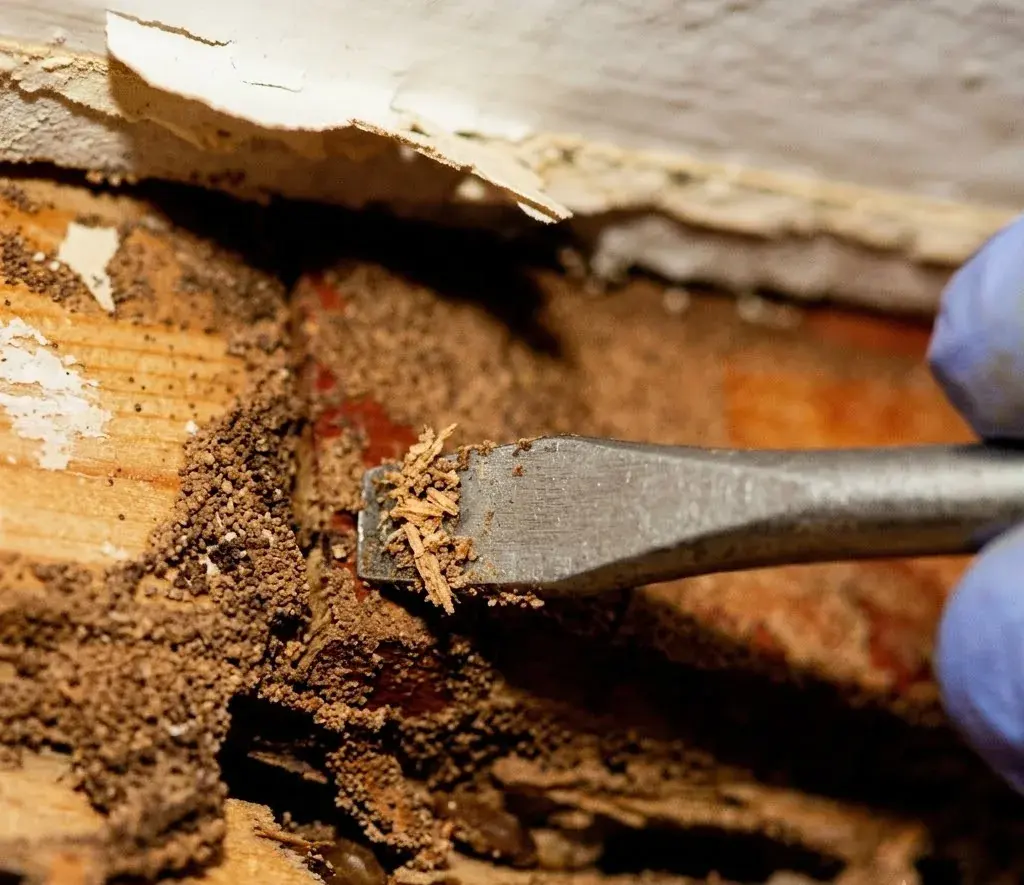
A straightforward look at what a routine termite inspection actually checks on a Georgetown home, and what the evidence means…
Learn about Termite Inspection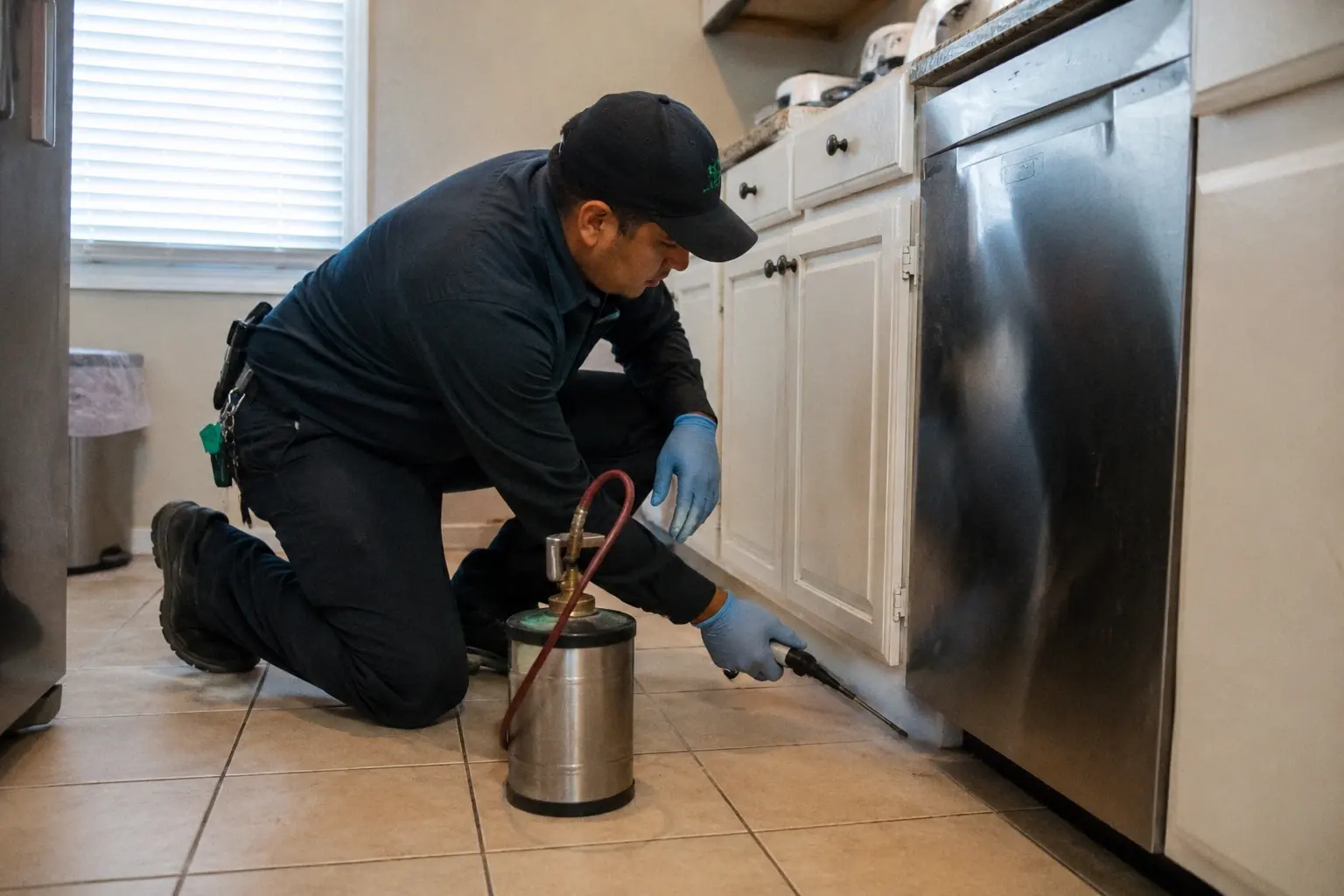
General pest control in Georgetown covering ants, roaches, spiders and silverfish with interior and exterior treatment
Learn about General Pest Control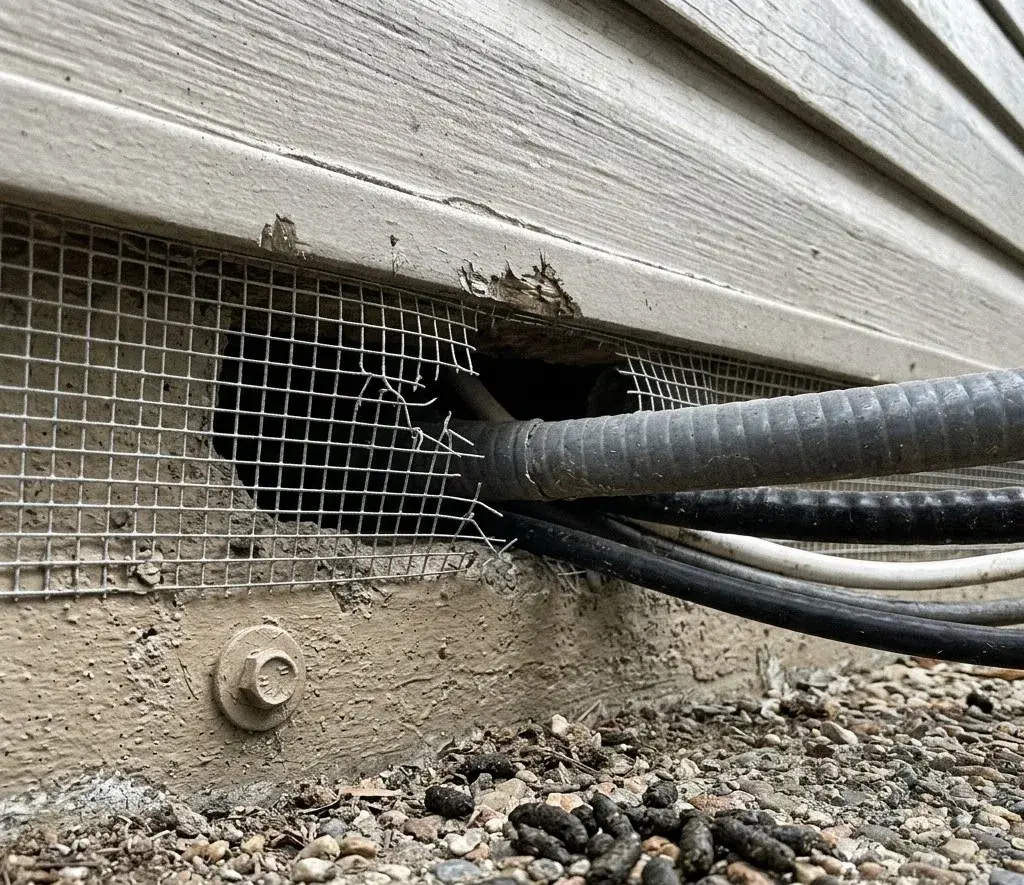
Rodent exclusion in Georgetown: sealing entry points, gaps and vents against roof rats and mice for good
Learn about Rodent ExclusionLiberty Hill · Jarrell · Weir · Walburg · Sun City · Berry Creek · Teravista · Wolf Ranch
Serenada's homes are slab-on-grade, mostly built from the 1990s on, on bigger lots than you'll find closer to town. Bigger lots mean more turf and tree cover holding moisture near the foundation, which is exactly what draws fire ants and the native subterranean termites that work Williamson County. An inspection here checks the slab perimeter for mud tubes and the yard for mounds, since both show up faster on a property with room to spread.
Yes. Being off Williams Drive with older construction and larger lots doesn't exempt a house from termites or fire ants; if anything, mature trees and more turf give both more places to establish before anyone notices. Eastern subterranean termites swarm here after rain, typically February through May, and fire ant mounds can turn up across a Serenada lawn within a day or two of a good rain. Regular perimeter treatment and a periodic foundation inspection are what catch it early.
Serenada's bigger, older lots mean more mature trees and more mulch and leaf litter sitting against the foundation than in newer subdivisions closer to Wolf Ranch or Teravista. That kind of ground cover holds moisture against the slab and gives fire ants and termites both a reason to stay put. Keeping mulch and debris pulled back from the foundation line during an inspection is one of the simpler fixes.
Termite swarms in Georgetown typically follow the first warm rains, most often between February and May, so an inspection ahead of that window catches activity before it reaches the trim. Fire ant treatment works best timed to rainfall rather than the calendar, since mounds appear fastest after wet ground follows a dry spell.
Some of the older housing in Serenada was built before the slab-on-grade standard became universal across Georgetown, so a few properties have pier-and-beam sections or a partial crawl space rather than a full slab. That's worth flagging before a treatment plan is written, since access and moisture control differ from a straight slab job. Most of the neighborhood is slab, so this gets confirmed at inspection rather than assumed.
This is not a service that runs on one emergency number the way a fire department does. A fire ant colony pushing indoors through a slab crack during a drought, or a scorpion showing up in a bathroom in Serenada, are both treated as priority calls, but priority still depends on who is free that day across the county. Ask straight out whether today is realistic rather than assuming it.
Every neighborhood here has its own pattern, whether that is greenbelt scorpions, roof rats along the fence line, or fire ant mounds showing up after the first real rain. Call and name your street or subdivision. The licensed pros we connect you with will already know what to expect nearby.
Call (866) 829-2897