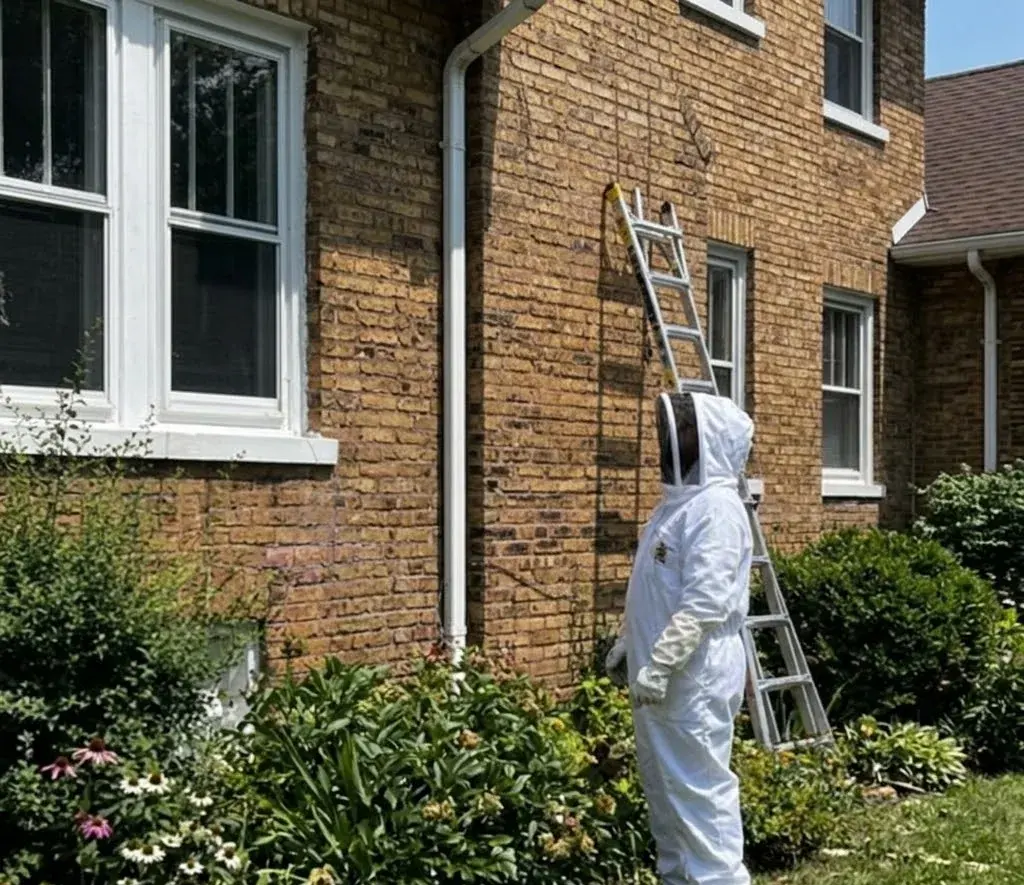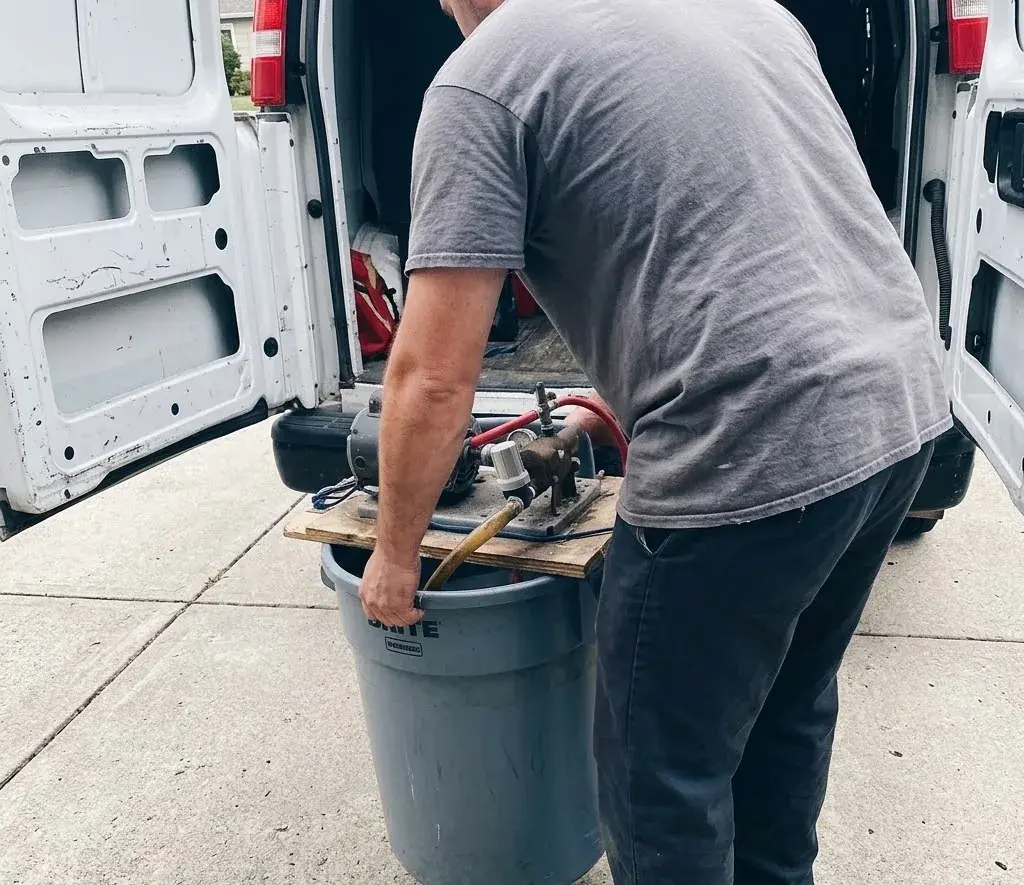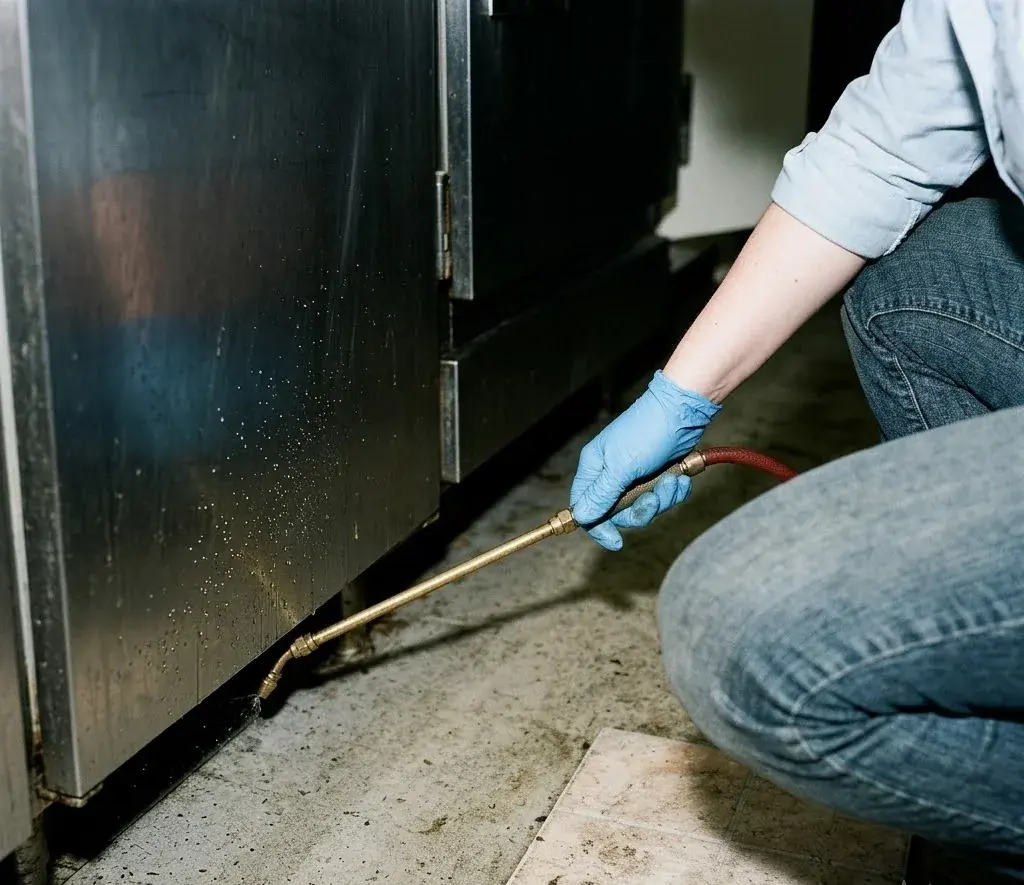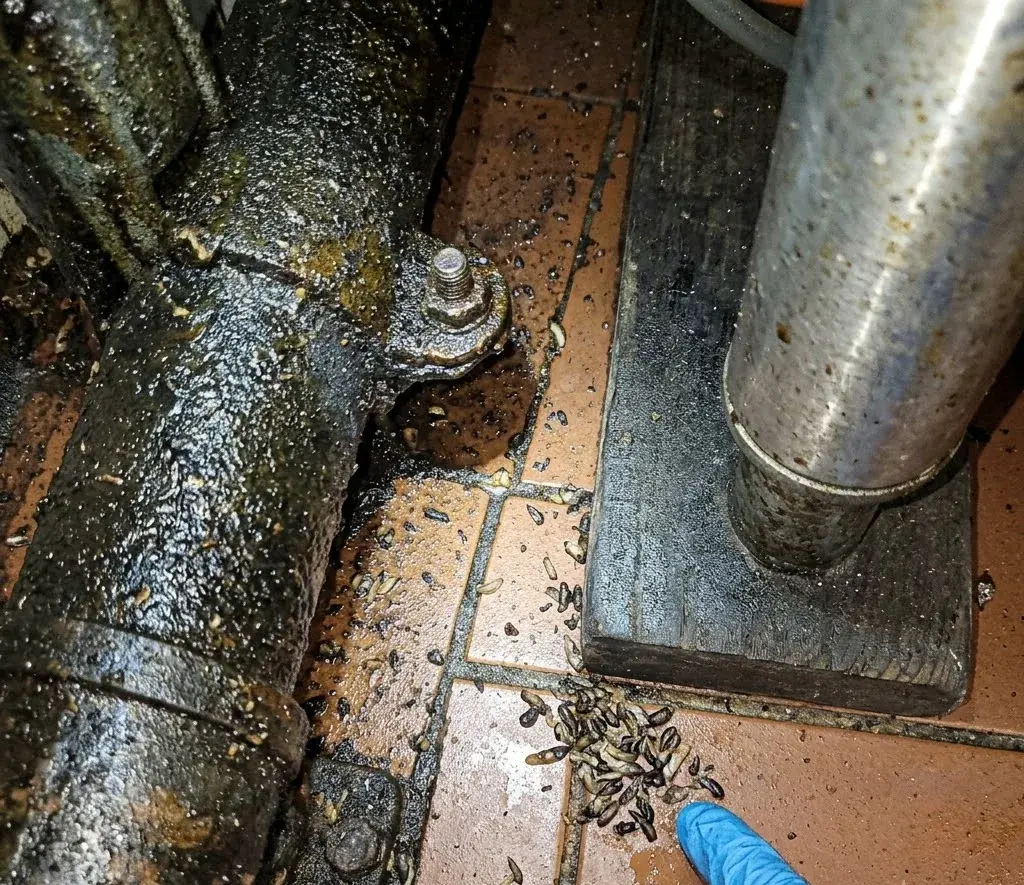
Fall in Georgetown does not slow pests down the way it might further north. The wet spell that usually arrives in autumn pushes crickets, rodents and a second wave of ants toward the nearest dry wall, and a house that has not been checked over since spring is an easy target. Pest-proofing before fall means walking the outside of the house the way a technician would, closing what can be closed, and sorting out what needs a longer plan before the weather turns. None of it is complicated work, but the order matters, and skipping the survey step is how people end up sealing the wrong gaps.
Start With a Walk Around the House
Fall in Georgetown is when a house either holds or leaks. Roof rats work overhead, so start where they get in: the fascia gap where a tree limb touches the roofline, gable vents without screen, and any soffit seam that has come loose. Pull firewood off the exterior wall before it becomes a bridge to the eaves. Clean gutters so water stops pooling against the roof edge and softening wood. Seal gaps around pipes and utility lines with a material rodents cannot chew through, not foam alone. Check weatherstrip on garage and exterior doors, where Turkestan cockroaches and crickets both push in once the lights go on at dusk.
What Actually Seals a Gap
Copper mesh or stainless steel wool packed into a gap and then covered with caulk or expanding foam holds up against rodents chewing back through; foam or caulk alone does not, and a mouse will work through plain foam in a night. Door sweeps and fresh weatherstrip close the low gaps under exterior doors, which is one of the most common ways crickets and roaches walk straight in. Gable and soffit vents need a rigid metal screen behind the louvers, not the flimsy plastic mesh some builders use, since that tears loose within a season or two.
Where People Get It Wrong
Steel wool or caulk with nothing behind it, stuffed into a gap and left, is not a repair — rain gets behind it and it falls out within a year. Spray foam over a gap wider than about half an inch will not hold its shape and gives rodents something soft to chew through rather than a barrier. Sealing an attic vent solid without a screen behind it just traps moisture instead, which causes its own problems. The other common mistake is treating the whole house the same way when the west side, out toward Sun City and Cimarron Hills, sits on shallow limestone that drains differently than the newer slab subdivisions closer to Wolf Ranch, so a gap that looks dry in one yard can be damp in another after the same rain.
Firewood, Gutters and the Yard
Firewood stacked against the siding is one of the most reliable ways to give rodents, roaches and other insects a bridge straight to the house, so move the stack off the wall and up on a rack before the weather cools. Clean the gutters out once the leaves start coming down; a clogged gutter holds water against the roofline and gives crickets and ants a damp corridor right where the roof rats already travel. Around Old Town and the older lots near San Gabriel Park, mature trees mean more of both leaves and limbs touching the roofline, so that inspection is worth doing twice before winter rather than once.
What to Leave to Somebody Else
Sealing entry points is homeowner-level work with the right materials, but a few things are better handed to the licensed pros we connect you with. A bat found in or on the house is protected under Texas law and cannot be poisoned, trapped in a colony, or handled casually — a single animal inside occupied space can be removed, but anything larger than that calls for someone who knows the rules. Termite activity, an attic already showing rodent damage, or a Turkestan cockroach problem that keeps coming back from a garage or irrigation box are also worth a second opinion before fall rather than after.
Dealing with this in your home?
Georgetown posts start the same way, and it always shows: a scorpion crossed the tile at midnight, a fire ant mound came up overnight off Williams Drive, something is moving in the attic above Berry Creek. This page pulls those threads apart one at a time — what the striped bark scorpion actually wants, why roof rats never touch your slab, why the San Gabriel doesn't explain the ants. By the end you'll know which of those calls can wait until morning.