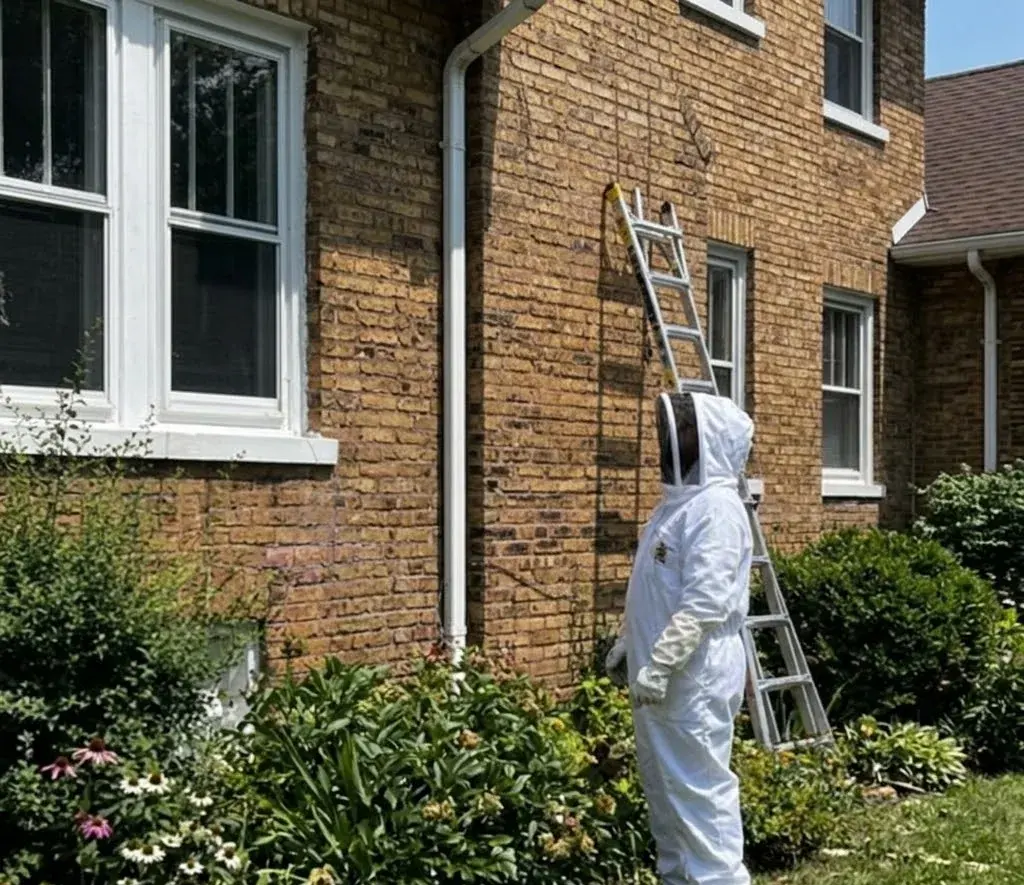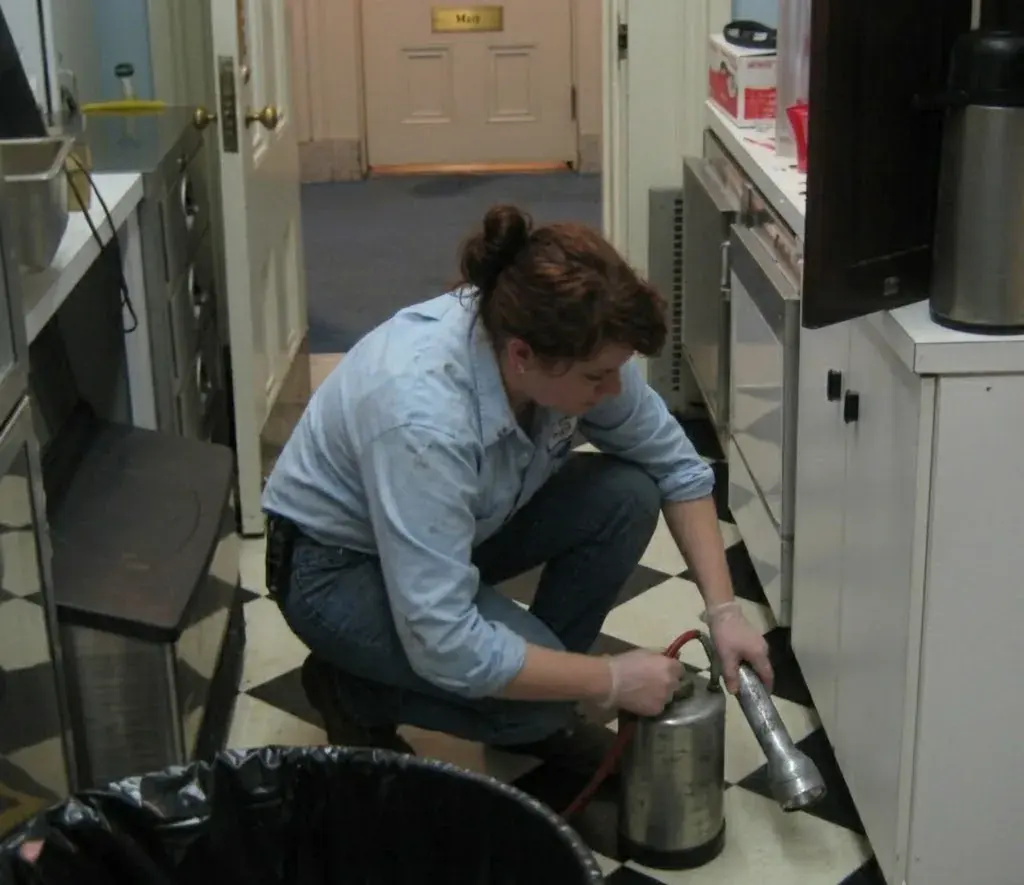
Late winter in Georgetown is short, and whatever cold does show up rarely sticks around long enough to knock a pest population back. That means the work of getting ready for spring has to happen while it still feels like nothing is going on outside. By the time the eastern subterranean termite starts swarming after a warm rain, usually somewhere between February and May, the conditions that let it happen have already been sitting around a house for weeks. The same is true for ants and rodents working their way toward a house from Berry Creek to Teravista. Spring pest prevention here is less about a single treatment and more about clearing out the specific things that let pests move in close before the season gets going.
Gutters and Drainage First
The clearest spring signal in Georgetown is a swarm of winged termites crawling up a pier or slab edge in daylight, usually after a soaking rain sometime between February and May. These are eastern subterranean termites, and the swarmer itself only lives a day or two before shedding its wings and pairing off, so what most people actually find is a scatter of discarded wings on a windowsill or garage floor rather than the insect itself. Mud tubes running up brick or foundation are the other giveaway, along with trim that sounds hollow when tapped. A dry spell the summer before often makes the spring swarm worse, since the colony has already been pulled toward whatever moisture sits under the slab.
Mulch Pulled Back From the Foundation
Roof rats do their scouting in early spring too, and because they travel along power drops, fence tops and branches that reach the roofline, the places worth checking are up high rather than down low. Walk the gable vents, the soffits, and any spot where a tree limb touches the fascia, and look for a gnawed edge or a dark greasy smear where a rat has been squeezing through repeatedly. Gutters clogged with the last of winter's leaves hold water against the roofline and give both rats and mosquitoes an easy foothold, so clearing them is worth doing before the first warm week arrives. A gutter that drains properly also keeps water from pooling next to the slab, which matters once the ground starts drying out again.
Screens and Openings
Every screen, vent cover, and gap around a window or gable end is worth a look before spring activity picks up. Torn window screens let mosquitoes in once the wet spring weather arrives, and gable vents or soffit gaps are exactly where roof rats get into an attic in neighborhoods like Cimarron Hills or Sun City. Checking these openings in late winter, while the weather is still calm, is far easier than dealing with an attic problem in April. Termite swarmers are also small enough to slip through a torn screen after a rain, and discarded wings collecting on a windowsill are one of the clearer signs that a colony nearby has already swarmed.
A Spring Inspection Worth Doing
An inspection before the season gets going covers the foundation perimeter for mud tubes, the attic for rodent entry points, the gutters and downspouts for standing water, and the areas where mulch or landscaping sit close to the slab. In Georgetown this is worth doing regardless of which part of town a house sits in, since the west side's limestone and caliche and the east side's blackland prairie clay both move water in ways that end up at the foundation eventually. Hollow-sounding trim, mud tubes up a pier, or wings on a windowsill are all worth walking the house for before the swarm season is in full swing. The licensed pros we connect you with can walk through exactly these points and flag what needs attention before it becomes a bigger repair.
Why There Is No Real Off Season
An inspection worth paying for in March or April walks the perimeter looking for exactly the signs above: swarmer wings caught in a spiderweb or windowsill, mud tubes on a pier, gutters that need clearing, mulch piled high enough against the siding to trap damp air behind it, and window or foundation vent screens with gaps big enough for a mouse to use. None of this requires guesswork once someone knows where to look, and catching a termite swarm in April is a very different repair bill than finding the damage in August. Homeowners in Sun City, Berry Creek, and along Williams Drive tend to get the most out of this because the housing stock there is old enough for the first real termite or rodent activity to show, but the same walk-around applies anywhere in Georgetown.
Dealing with this in your home?
Georgetown posts start the same way, and it always shows: a scorpion crossed the tile at midnight, a fire ant mound came up overnight off Williams Drive, something is moving in the attic above Berry Creek. This page pulls those threads apart one at a time — what the striped bark scorpion actually wants, why roof rats never touch your slab, why the San Gabriel doesn't explain the ants. By the end you'll know which of those calls can wait until morning.