Hotels, short-term rentals, and anywhere else people sleep in rotation are how bed bugs get around, and Georgetown has plenty of that traffic between I-35 travelers, Southwestern University visitors, and the short-term-let stock that keeps growing near Wolf Ranch and Rivery. A hotel room does not have to look dirty to have them. They travel in seams and folds, not filth, and a room can be cleaned every day and still carry them in the nightstand or the headboard. The question people bring home is simple: did I pick something up, and how do I know before it spreads through the house.
Checking a Room in Two Minutes
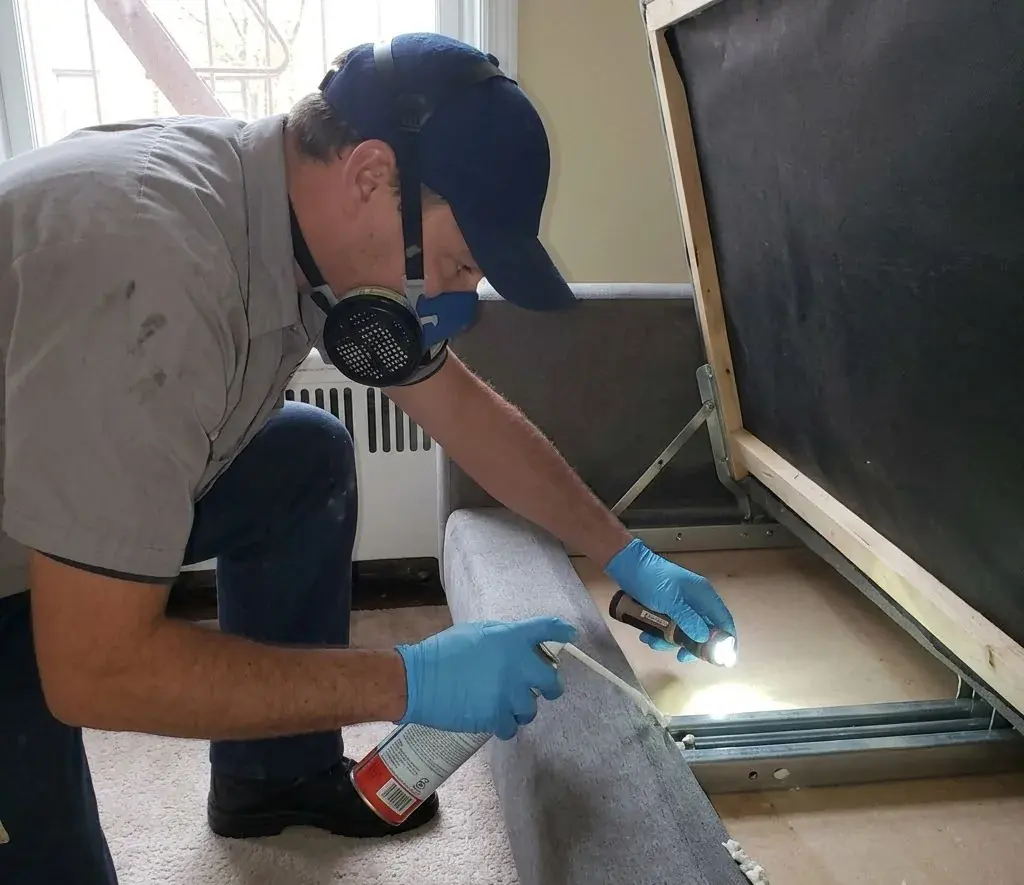
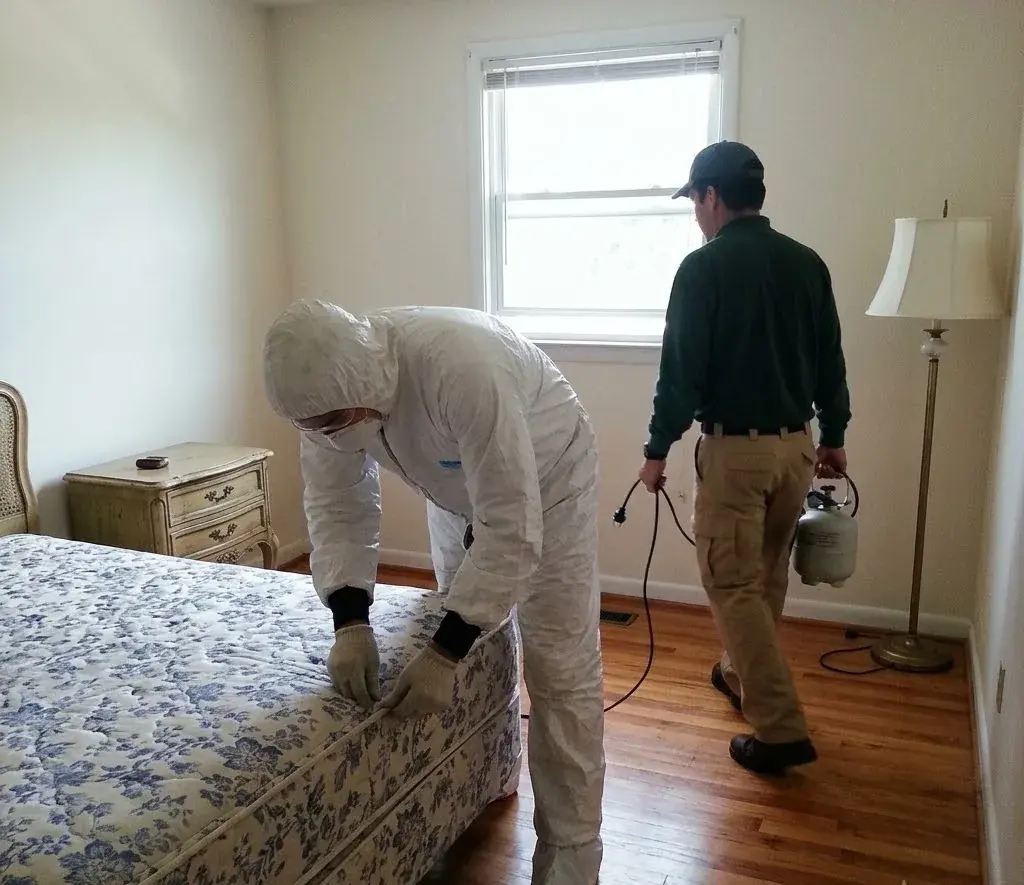
Start with the headboard, since it sits closest to a sleeping body and gets checked least. Pull it slightly off the wall if it moves, and look along the mounting bracket for dark spotting or shed skins. Then work the mattress: peel back the corner of the fitted sheet and run a finger along the piping seam, where bed bugs sit flush against the fabric during the day. Check the seam of the box spring the same way, and glance behind the headboard art and along the baseboard nearest the bed. Two minutes covers the spots that matter most, and it is worth doing before a bag ever goes on the bed or the floor.
Handling Luggage on the Way Home
Luggage is the part most people skip. A suitcase left on a hotel floor or a rack can pick up a bug in the fabric or the wheel wells without anything visible happening. On return to Georgetown, the simplest habit is to unpack outside the bedroom, ideally in a garage or entryway, rather than setting the case straight on the bed. Empty it directly into the wash rather than into a hamper or closet, and inspect the case itself along its seams and zipper track before it goes back into storage. A hard-sided case is easier to check than a soft one, since there are fewer folds for anything to sit in.
What Actually Kills Them on Clothing
Heat is what works, not detergent or cold water. Launder anything that was in the suitcase on the hottest wash setting the fabric allows, then run the dryer on high heat for a full cycle — the dryer does more of the work than the washer, since bed bugs and their eggs die at a sustained heat that a wash cycle alone does not always reach. Anything that cannot be washed, like shoes or a stuffed bag that cannot go in a machine, can be dried alone on high heat for thirty minutes, or bagged and left in a hot car during a Georgetown summer afternoon, which reaches similar temperatures inside a sealed vehicle.
How They Move Between Units
In an apartment building or a duplex, bed bugs do not need a suitcase at all. They move along shared walls, through electrical outlets, baseboards, and plumbing penetrations, and on furniture carried between units during a move. That is why a single infested unit in a Georgetown apartment complex can turn into a building-wide problem well before anyone in the neighboring units notices a bite. A tenant who spots them early and reports it in writing is doing every neighbor a favor, since the earlier a building-wide check happens, the fewer units end up needing treatment at all.
Dealing with this in your home?
Georgetown posts start the same way, and it always shows: a scorpion crossed the tile at midnight, a fire ant mound came up overnight off Williams Drive, something is moving in the attic above Berry Creek. This page pulls those threads apart one at a time — what the striped bark scorpion actually wants, why roof rats never touch your slab, why the San Gabriel doesn't explain the ants. By the end you'll know which of those calls can wait until morning.