Georgetown does not get a hard freeze most winters, and that single fact shapes the whole tick season here. Where a real winter shuts a tick down for months, a mild one just slows it. Lone star ticks and brown dog ticks are the two species that matter in this part of Williamson County, and both stay active across spring, summer, and well into fall. There is no single week when ticks arrive and no single week when they stop. A property near San Gabriel Park or out along Booty's Road Park can carry tick activity from March through November in a normal year, with the heaviest pressure in late spring and early summer when nymphs are actively questing for a host.
Two Species, Two Habits
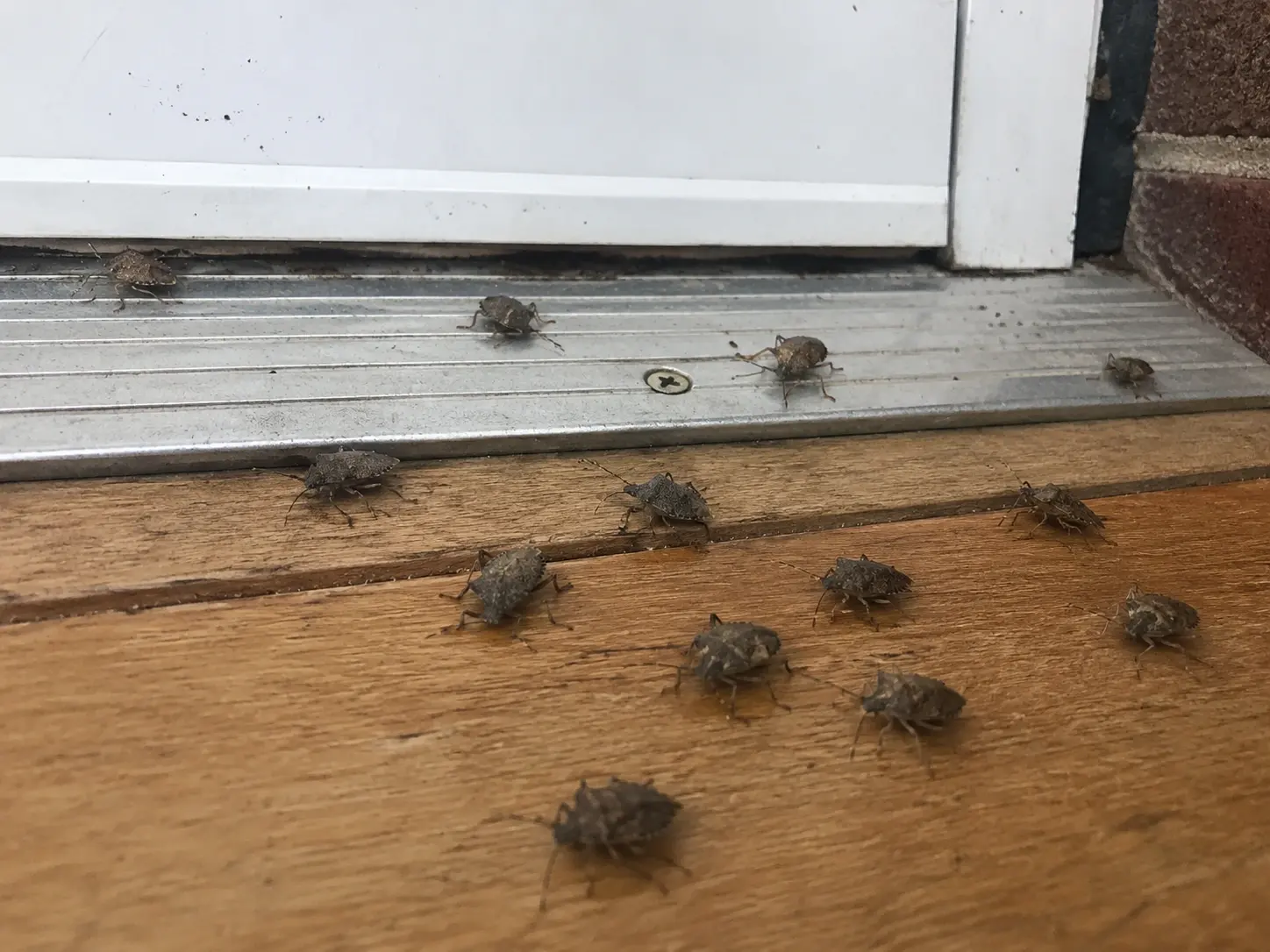
Lone star ticks are the ones most people in Georgetown actually run into outdoors, picked up along a wood line, in tall grass, or brushing past low vegetation near a creek bank. They wait on grass and leaf litter at about knee height and grab onto a passing host rather than dropping from above. Brown dog ticks behave differently. They are built around dogs specifically, and once one gets into a home or a fenced yard, it can complete its whole life cycle indoors, in baseboard cracks and along fence lines, without ever needing an outdoor host. That difference matters for where a Georgetown homeowner should actually be looking.
Where They Wait On a Property
A tick does not go looking for a host across open ground. It climbs to the tip of a grass blade or a low branch at the edge of a wood line and waits there until something brushes past close enough to grab. That means the highest-risk spots on most Georgetown properties are the transition zones: where a mowed lawn meets unmowed brush, along a fence line shared with an undeveloped lot, or the shaded edge where a yard backs up to greenbelt near the San Gabriel River. Neighborhoods that back onto Berry Creek or sit close to Garey Park have more of this edge habitat than a lot in the middle of Wolf Ranch or Teravista, simply because there is more wood line per house.
The Nymph Stage Is the One to Watch
The immature nymph stage is smaller than the adult, harder to spot on skin or clothing, and it is often the stage responsible for the bites people notice without ever seeing the tick itself. A nymph still needs a host to move to its next stage, so it is questing on the same grass tips and low brush as an adult, just at a size that is easy to miss until it has already attached. Anyone walking a dog along the San Gabriel River trails or letting kids play near the tree line at Cedar Breaks Park or Russell Park is walking through the exact height range where a nymph is waiting.
Fleas Run Alongside Ticks Here
Ticks are not the only thing benefiting from a Georgetown winter that never really commits to cold. Fleas run essentially year-round in this area because the winter here is rarely hard enough to break their life cycle the way it would farther north. A property dealing with a tick issue in the warmer months is often dealing with a flea issue at the same time, for the same underlying reason: nothing in the local climate forces either one to stop.
Repellent and Timing, Not a Season
Nymphs are the stage that catches people off guard. They are tiny, easy to miss on a bare arm, and they are active in the same wood-line edges around Georgetown yards where lone star ticks wait for a host — the brushy transition where a mowed yard meets scrub or tree cover, along fence lines, and around anything that draws deer or other wildlife through the property. Adults get noticed and picked off; nymphs are the ones that ride inside on a pant leg. Repellent applied before yard work in that fringe zone matters as much as anything sprayed after the fact. Season length here tracks the mild winters rather than a hard calendar date, so activity runs longer than a single summer window, and a property backing onto undeveloped land carries more of it than one that does not.
Dealing with this in your home?
Georgetown posts start the same way, and it always shows: a scorpion crossed the tile at midnight, a fire ant mound came up overnight off Williams Drive, something is moving in the attic above Berry Creek. This page pulls those threads apart one at a time — what the striped bark scorpion actually wants, why roof rats never touch your slab, why the San Gabriel doesn't explain the ants. By the end you'll know which of those calls can wait until morning.