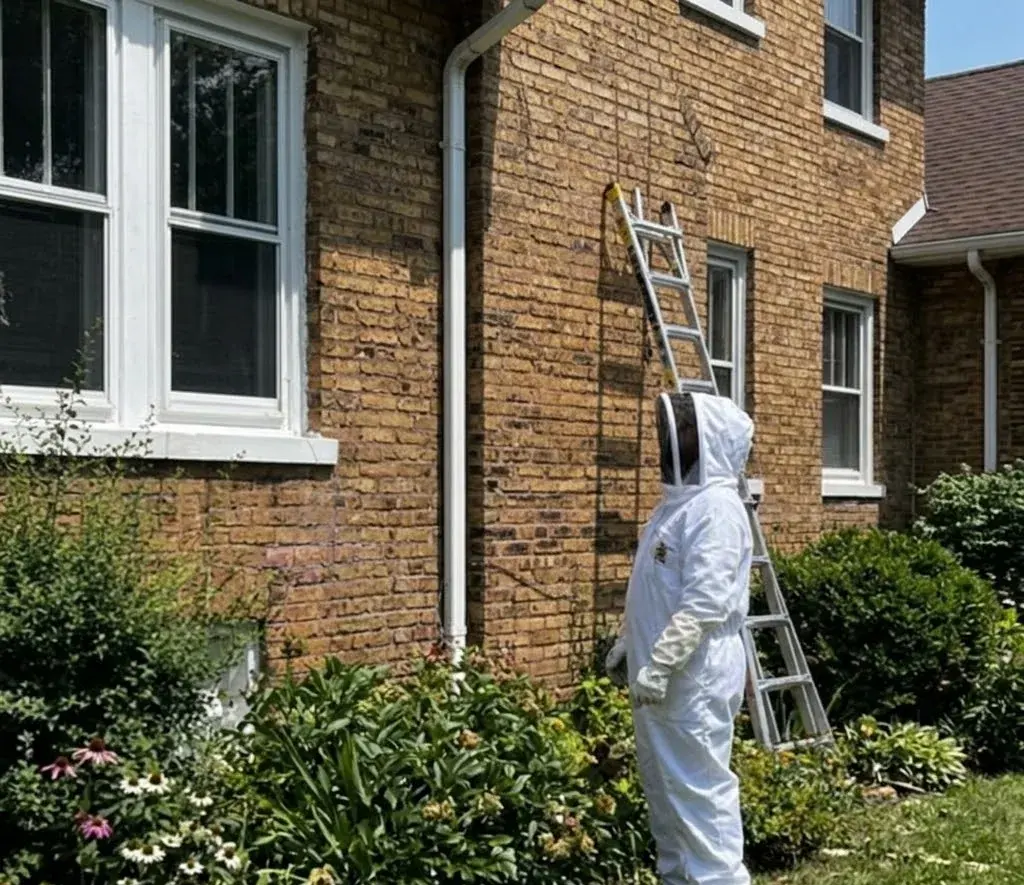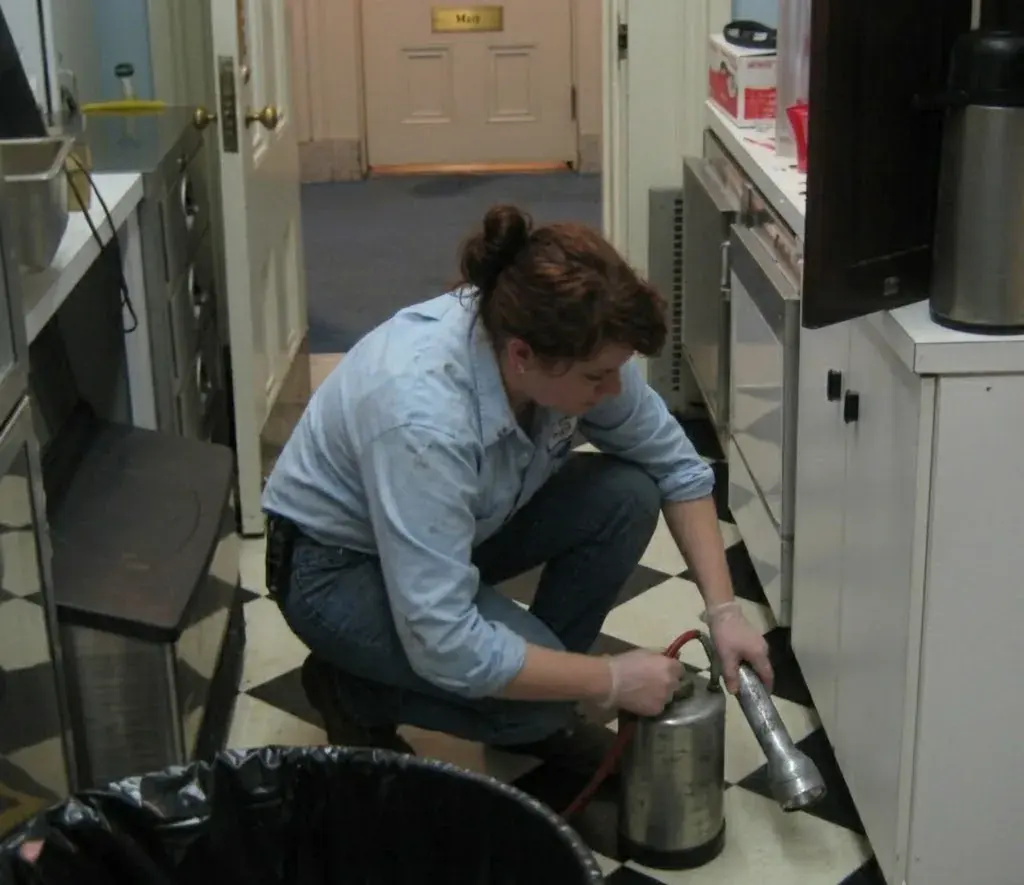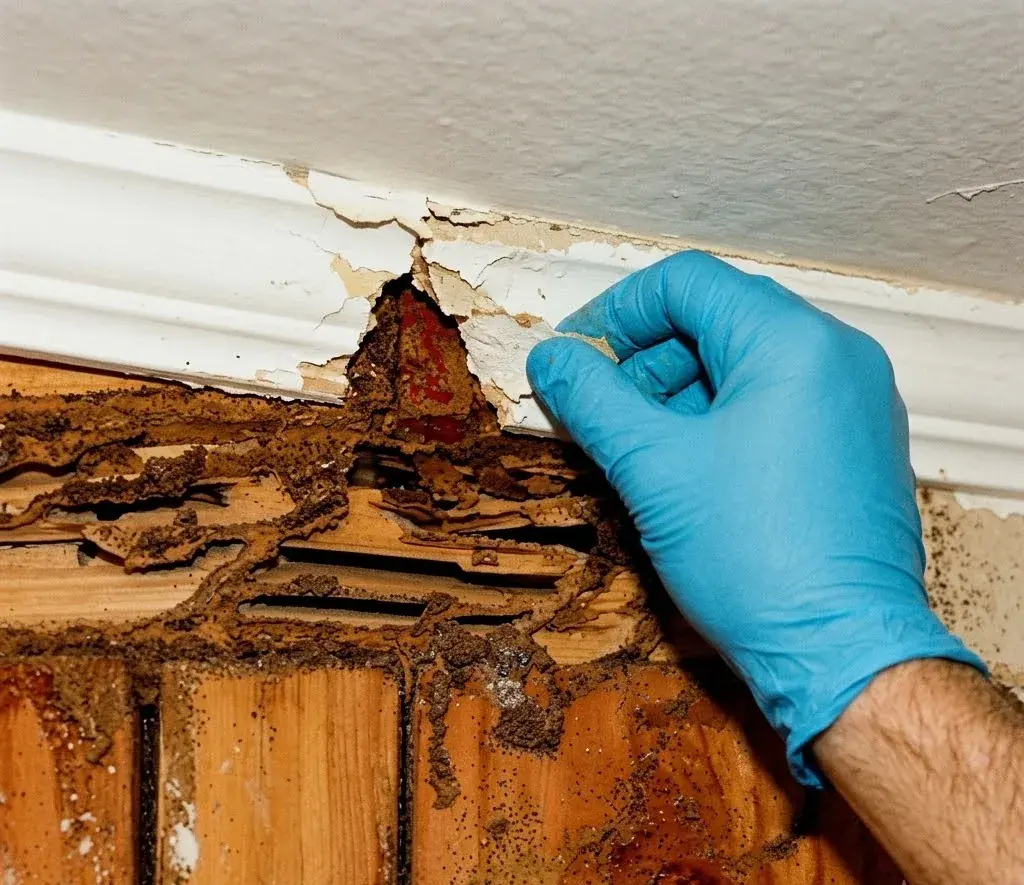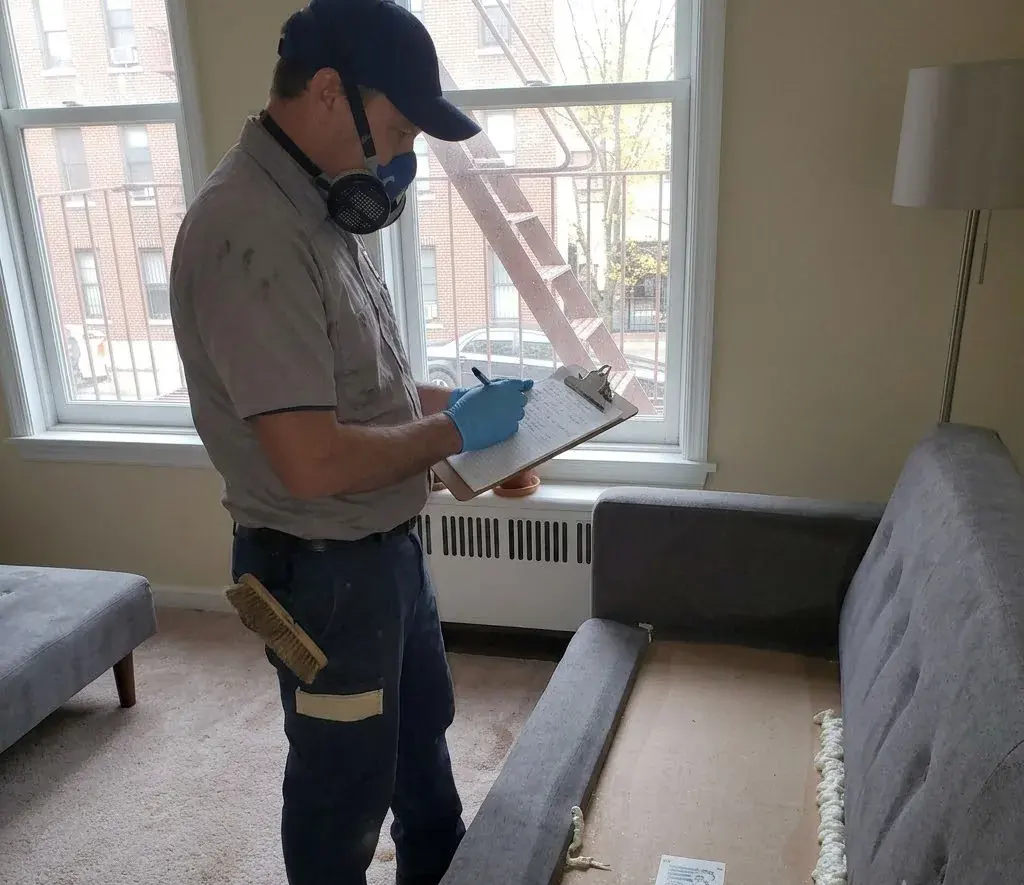
Most pest calls in Georgetown trace back to the same handful of conditions, not bad luck. A house near San Gabriel Park and a house out toward Sun City can have the same ant trail or the same scratching in the attic, and the reason is almost always one of four things: food, moisture, harborage, or an entry point that was never sealed. None of these are exotic. They are ordinary parts of living in a house and keeping a yard, and once you know what to look for, most of them are easy to walk past every day without noticing.
Food Left Where Pests Can Reach It
Pet food left out overnight on a porch is one of the most reliable draws there is, especially in neighborhoods backing onto open ground near Berry Creek or Cimarron Hills. Bird feeders do the same job in reverse: the seed that misses the tray feeds mice and rats as much as it feeds birds. Indoors, food sitting in unsealed containers, pet bowls left down all day, and crumbs in a pantry corner all send the same signal outward through whatever gap a roof rat or a mouse can use to get to it.
Standing Water and Everyday Moisture
Water is the harder pull to shut off, because a yard has more of it than anyone accounts for. Georgetown gets real storms off and on through the year, and anywhere runoff sits instead of draining becomes a stop on a pest's rounds: a clogged gutter end, a low spot near a fence line, a saucer under a potted plant on the patio. Birdbaths and anything that holds a puddle for more than a day or two do the same job for mosquitoes, since it only takes standing water and a little warmth for the next batch to get going. Walk the yard after rain and see where it is still wet two days later. That spot is doing more to bring pests toward the house than most homeowners assume.
Mulch, Firewood, and Harborage Close to the House
Harborage is the third piece, and it is really just cover: someplace low, dark and undisturbed to sit tight in. Thick beds of mulch or pine straw against the siding hold both moisture and cover at once, which is why they turn up so often near an active entry point. A stack of firewood pushed against an exterior wall does the same thing from a different angle, giving ants, roaches and the odd mouse a dry, sheltered gap right where the wall meets the ground. None of this requires neglect. A well-kept yard in Berry Creek or Teravista can carry the same setup as an older lot near Old Town if the mulch is banked high and the wood is stacked tight to the brick.
Finding the Entry Point Itself
Firewood is the piece people miss. A stack against the house, even a tidy one, gives roaches, ants and the occasional scorpion a dry space right at the wall, and every trip inside for a load carries a few of them with it. The fix is distance, not disposal: move the stack a few feet off the siding and up off the ground on a rack, so it stops touching the one entry point it was leaning on. Bird feeders matter for a different reason. Spilled seed builds a ring of food at ground level that draws rodents after dark, and a roof rat working that ring at night is a short climb from the fascia and the attic above it. Raking up the spill under a feeder weekly does more than most anything sprayed at the base of it.
Dealing with this in your home?
Georgetown posts start the same way, and it always shows: a scorpion crossed the tile at midnight, a fire ant mound came up overnight off Williams Drive, something is moving in the attic above Berry Creek. This page pulls those threads apart one at a time — what the striped bark scorpion actually wants, why roof rats never touch your slab, why the San Gabriel doesn't explain the ants. By the end you'll know which of those calls can wait until morning.