Moving into a Georgetown house means inheriting whatever the previous owner tolerated, ignored, or already fixed. A pest inspection tied to a sale in Texas only covers wood-destroying insects, and even that has limits. It does not check for scorpions under the bathroom sink, rodents in the attic, or roaches in the garage. So the first month in a new place, whether it's in Teravista, Berry Creek, or an older lot near Old Town, is the window to look past what the closing paperwork told you and see the house for what it actually is.
What the inspection actually covered
The inspection you got before closing was a wood-destroying insect report, not a pest control plan. It tells you whether the inspector found active or previous termite evidence and where the property was obstructed or inaccessible on the day they walked it. It does not tell you what happens next spring, and it does not cover scorpions, roaches, or rodents at all, since those aren't what that report is for. Ask the seller or your agent whether any treatment was ever done, and if so, what and when — a termite treatment has a limited window of effectiveness, and knowing whether you're starting fresh or picking up partway through matters for what you do first. If there's no history at all, treat the house as untreated and plan from there.
Ask about treatment history
Ask the seller or the agent for the treatment history before you assume there isn't one. A house with a termite bond, a prior rodent problem in the attic, or a standing pest service contract should have paperwork or at least a name to call. Knowing whether the perimeter was treated last spring, or whether an attic entry point was sealed after roof rats got in, changes what you need to do next. A history of moisture near the slab, even if it was resolved, is worth knowing too, since the fix may have been temporary.
Walk the perimeter first
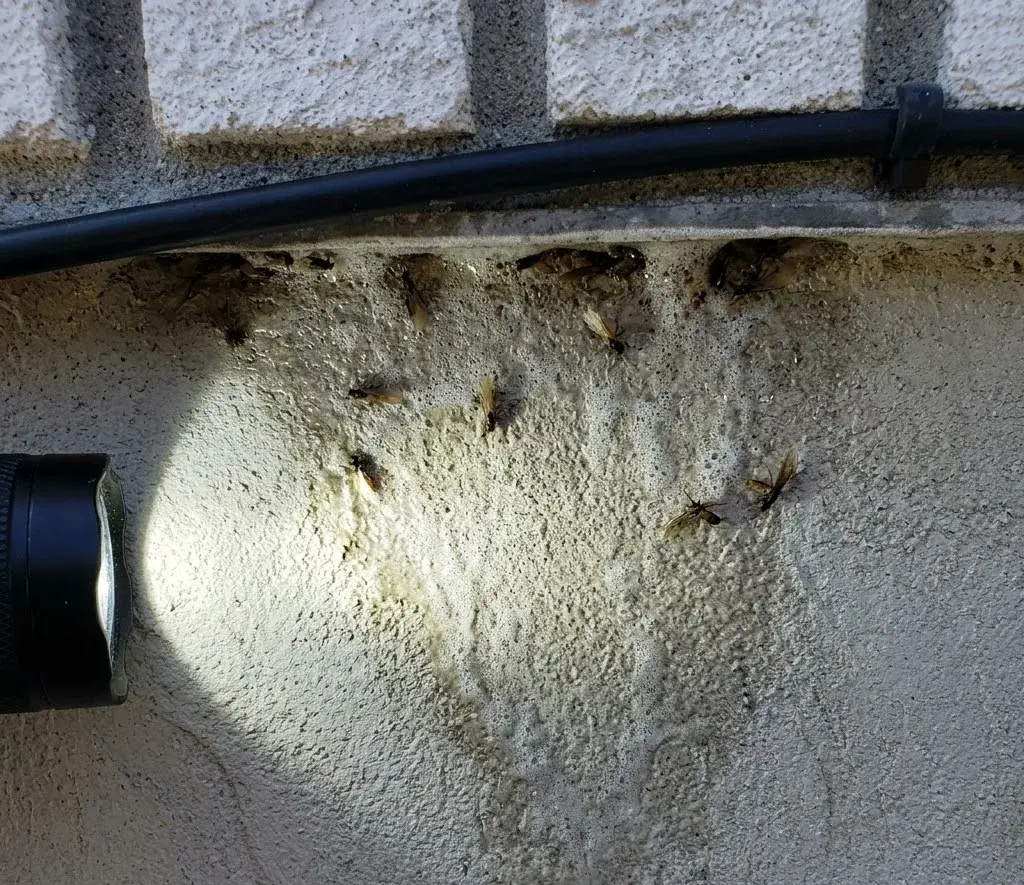
Most Georgetown houses are slab-on-grade, so the usual advice about crawl spaces and sub-floor vents doesn't apply here except in older Old Town properties. What matters more is the perimeter: weep holes along the brick, gaps where utility lines enter, and the seal around garage doors and exterior faucets. Striped bark scorpions are thin enough to come through a weep hole or under a door, and they follow moisture into bathrooms and laundry rooms. A slow walk around the outside of the house, checking for gaps you can see daylight through, catches more than most people expect.
Check the attic, not just the foundation
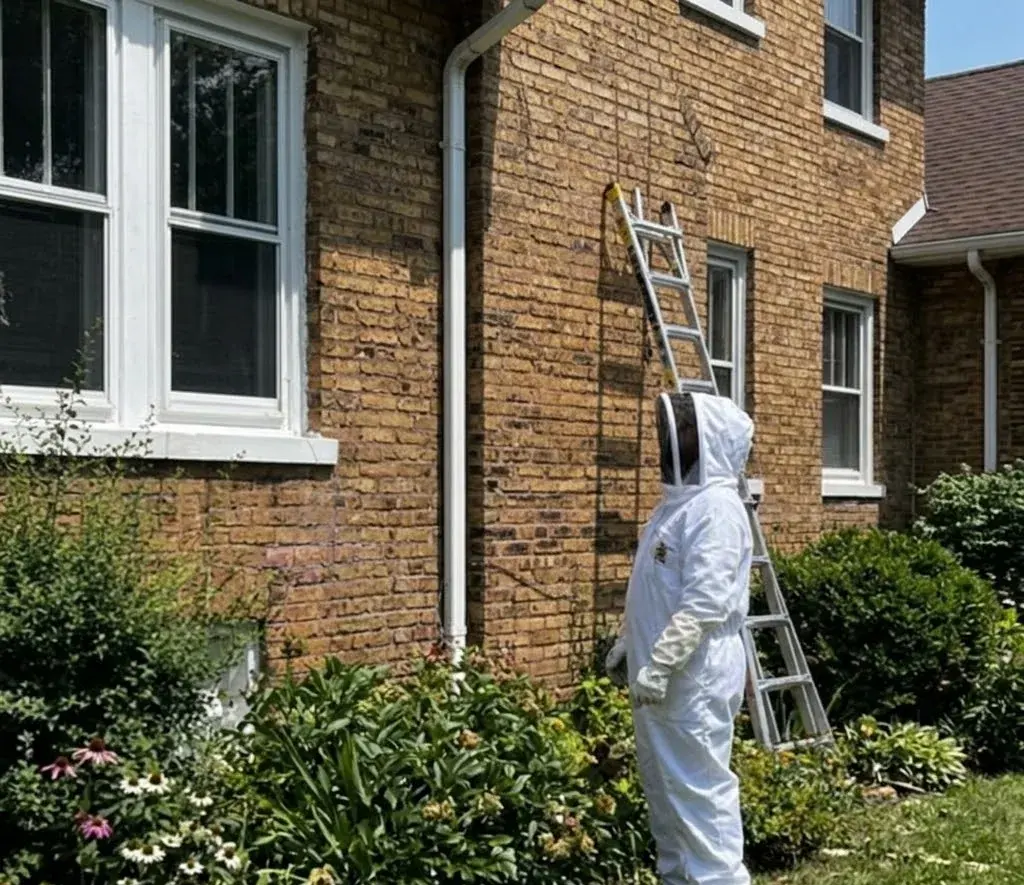
Roof rats are the rodent that matters in this part of Texas, and they come in overhead, not underneath. Look at the roofline where a tree limb touches the fascia, at gable vents for gaps or chewed screening, and at the soffits for stains or worn spots. If a limb from a neighboring yard reaches the roof, especially near tree cover close to a greenbelt, that's a route worth trimming back. This matters more in neighborhoods backing onto undeveloped land or cedar and oak cover, which is common on the west side of I-35 toward Sun City and Cimarron Hills.
Cheap fixes before anything shows up
None of this requires a big first-month project. Caulk gaps around pipes and cable entry points, add a sweep to any exterior door that shows daylight underneath, and fix a dripping hose bib or AC condensate line before it becomes a damp spot that draws scorpions or roaches. If outdoor lights stay on all night, especially near a garage or shop-style exterior, expect field crickets to gather there in late summer and fall. Switching to a warmer bulb or a motion sensor does more good than any spray. These are small jobs, and they're easier to do before boxes are unpacked than after.
Dealing with this in your home?
Georgetown posts start the same way, and it always shows: a scorpion crossed the tile at midnight, a fire ant mound came up overnight off Williams Drive, something is moving in the attic above Berry Creek. This page pulls those threads apart one at a time — what the striped bark scorpion actually wants, why roof rats never touch your slab, why the San Gabriel doesn't explain the ants. By the end you'll know which of those calls can wait until morning.